
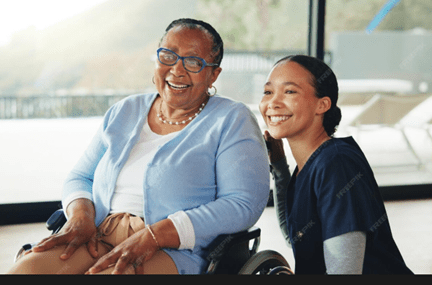
Introduction: Aged Care Must Reflect Australia’s Diversity
Australia is one of the most culturally diverse countries in the world, with millions of people coming from Culturally and Linguistically Diverse (CALD) backgrounds. As the population ages, an increasing number of older Australians require care that not only supports their physical needs but also respects their language, culture, identity, and lived experiences.
Yet for many older people from CALD communities, navigating the aged care system can be challenging. Language barriers, unfamiliar systems, and culturally inappropriate services can lead to confusion, isolation, and reduced access to essential support.
This is why culturally safe aged care is no longer optional—it is essential for dignity, equity, and quality of life.
Understanding CALD in the Australian Context
CALD refers to individuals who:
- Were born overseas or have migrant backgrounds
- Speak a language other than English at home
- Identify with diverse cultural or religious traditions
In Australia, CALD older adults represent a significant and growing segment of the aged care population. However, their needs are often more complex due to:
- Language barriers
- Different health beliefs and expectations
- Limited familiarity with Australian systems
- Social isolation from mainstream services
Providing effective care requires more than translation—it requires deep cultural understanding and responsiveness.
Why Culturally Safe Care Matters
Culturally safe care goes beyond acknowledging diversity. It ensures that individuals feel:
- Respected in their identity
- Understood in their communication
- Comfortable expressing their needs
- Safe in receiving care that aligns with their values
When care is culturally appropriate, outcomes improve significantly.
Benefits of Culturally Safe Care
- Reduced social isolation
- Better mental health outcomes
- Increased trust in providers
- Higher engagement with services
- Improved overall wellbeing
Without culturally safe care, older individuals may avoid seeking help altogether—leading to delayed care and worsening health conditions.
The Risks of Ignoring Cultural Needs
When aged care services do not adequately support CALD communities, the consequences can be serious:
Communication Breakdowns
Misunderstandings can affect:
- Medication use
- Treatment decisions
- Consent processes
Social Isolation
Language barriers can lead to:
- Loneliness
- Withdrawal from community
- Reduced participation in care programs
Reduced Quality of Care
Without cultural understanding, care may:
- Conflict with personal beliefs
- Fail to meet dietary or religious needs
- Overlook family dynamics
These challenges highlight the urgent need for a more inclusive approach.
A Rights-Based Approach to Aged Care
Modern aged care in Australia is increasingly guided by a rights-based framework.
This means every individual has the right to:
- Be treated with dignity and respect
- Maintain their cultural identity
- Access information in a language they understand
- Participate in decisions about their care
A rights-based approach ensures that cultural identity is not seen as a barrier—but as an essential part of care planning.
Key Strategies to Improve CALD Aged Care
Creating culturally inclusive aged care requires coordinated efforts across the sector.
- Tailoring Services to Individual Needs
Care should be personalised, taking into account:
- Language preferences
- Cultural practices
- Religious beliefs
- Dietary requirements
This ensures that care is not only clinically appropriate but also personally meaningful.
- Building a Culturally Competent Workforce
A strong workforce is central to delivering inclusive care.
This includes:
- Cultural awareness training
- Understanding different communication styles
- Respecting cultural norms and traditions
Staff who are culturally competent are better equipped to:
- Build trust
- Communicate effectively
- Provide sensitive and respectful care
- Addressing Language Barriers
Language remains one of the biggest obstacles in aged care.
Solutions include:
- Professional interpreters
- Multilingual staff
- Translated materials
- Simplified communication tools
Clear communication is critical for:
- Safety
- Informed decision-making
- Emotional wellbeing
- Overcoming Technology Barriers
As aged care systems become increasingly digital, some CALD older adults may struggle with:
- Online portals
- Digital forms
- Telehealth services
Support strategies include:
- Providing digital literacy support
- Offering alternative access methods
- Ensuring user-friendly platforms
Without these supports, many individuals risk being excluded from essential services.
- Government-Funded Initiatives and Training
The Australian Government has recognised the importance of improving CALD aged care through:
- Workforce training programs
- Cultural competency frameworks
- Funding for inclusive service delivery
These initiatives aim to ensure that providers are better prepared to meet the needs of diverse communities.
- Inclusive Service Design
Inclusive design ensures that services are accessible to everyone from the start.
This includes:
- Culturally appropriate environments
- Flexible care models
- Inclusive communication strategies
Rather than adapting services later, inclusive design builds diversity into the system from the beginning.
- Partnering with Community Organisations
Community organisations play a vital role in bridging gaps between providers and CALD communities.
They can:
- Provide cultural insights
- Support engagement
- Build trust within communities
Partnerships ensure that services are:
- More relevant
- More accessible
- More effective
The Role of Families in CALD Aged Care
In many CALD cultures, family plays a central role in care decisions.
This can include:
- Shared decision-making
- Cultural expectations around caregiving
- Strong intergenerational relationships
Providers must recognise and respect these dynamics, ensuring that families are included in the care process where appropriate.
Looking Ahead: The Future of Inclusive Aged Care
As Australia’s population continues to diversify, the demand for culturally appropriate care will only increase.
Future priorities include:
- Expanding multilingual services
- Strengthening workforce diversity
- Improving access in regional areas
- Enhancing culturally specific programs
The goal is clear: to create an aged care system where every individual feels seen, heard, and respected.
Conclusion: Inclusion Is Essential, Not Optional
Culturally safe aged care is not just about improving services—it is about ensuring fairness, dignity, and respect for all older Australians.
By addressing language barriers, building a culturally competent workforce, and designing inclusive services, Australia can move closer to a system that truly reflects its diverse population.
For CALD older adults and their families, the right support can make all the difference—not just in health outcomes, but in overall quality of life.
About Support Services Connect Australia (SSCA)
Navigating aged care services can be particularly complex for individuals and families from culturally and linguistically diverse backgrounds.
At Support Services Connect Australia (SSCA), we understand these challenges. With over 25 years of experience in the Australian aged care sector, we provide a free care finding service to help you identify the most suitable Home Care Package providers based on your needs, preferences, language, and location.
We simplify the process, explain your options in clear and accessible language, and connect you with providers that align with your cultural and personal requirements.
If you are based in Melbourne and looking for the right aged care support, our team is here to guide you—at no cost to you.