
Healthy ageing involves far more than physical health alone. Emotional wellbeing, social connection, creativity, and meaningful experiences also play an important role in quality of life as people grow older.
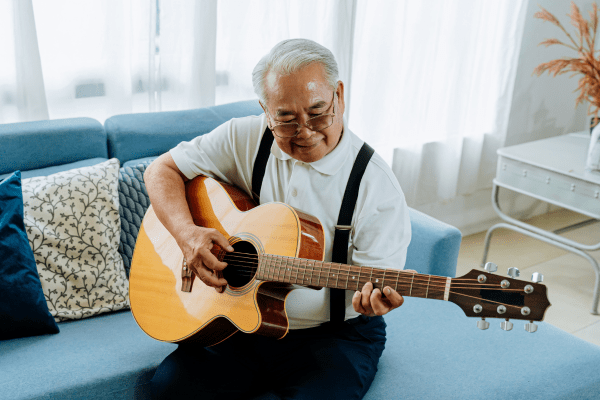
For many older Australians, creative activities such as music, painting, singing, dancing, and crafts can provide comfort, enjoyment, and emotional connection. Increasingly, researchers and aged care professionals are recognising that art and music may offer valuable emotional and cognitive benefits for seniors, including those living with dementia.
While creative activities are often viewed as hobbies, they can also become powerful tools for supporting emotional wellbeing, reducing stress, encouraging communication, and strengthening social connection.
As Australia’s ageing population grows, more families are exploring ways to support not only the physical care needs of older loved ones, but also their emotional and psychological wellbeing.
Why Emotional Wellbeing Matters in Healthy Ageing
Growing older can bring significant life changes, including:
- Retirement
- Reduced mobility
- Chronic health conditions
- Loss of friends or partners
- Social isolation
- Cognitive changes
- Increased dependence on others
These experiences can affect emotional wellbeing and quality of life.
Healthy ageing is not only about extending life expectancy — it is also about helping older people continue to feel:
- Connected
- Valued
- Calm
- Engaged
- Purposeful
- Emotionally supported
Creative activities can help address many of these emotional needs in gentle and meaningful ways.
The Growing Interest in Art and Music Therapy
Across Australia and internationally, aged care providers and health professionals are increasingly incorporating creative activities into healthy ageing and dementia support programs.
This may include:
- Music therapy
- Painting classes
- Singing groups
- Dance programs
- Craft activities
- Creative storytelling
- Photography
- Poetry and writing
- Group art sessions
These activities are not necessarily about artistic skill or performance. Instead, the focus is often on emotional expression, enjoyment, relaxation, and social connection.
How Music Can Affect Emotions and Memory
Music has a unique ability to trigger emotions and memories.
A familiar song from childhood or early adulthood may instantly remind someone of:
- Family gatherings
- Cultural traditions
- Weddings
- Religious events
- Friendships
- Personal milestones
For older adults living with dementia, music may sometimes help reconnect them with meaningful memories even when verbal communication becomes difficult.
Music may also support:
- Relaxation
- Emotional comfort
- Reduced anxiety
- Mood improvement
- Social interaction
- Emotional expression
Many families notice that loved ones who become quiet or withdrawn may still respond positively to familiar songs and melodies.
Music and Dementia Support
Although music is not a cure for dementia, many studies suggest that music-based activities may positively support emotional wellbeing for people living with cognitive decline.
Possible benefits may include:
- Reduced agitation
- Improved mood
- Increased engagement
- Greater social interaction
- Emotional comfort
- Reduced stress and anxiety
Music can also help create calm and familiar environments, particularly for individuals who become confused or distressed.
Simple activities such as singing together, listening to favourite songs, or gentle movement to music may provide meaningful moments of connection for both older adults and their families.
The Emotional Benefits of Art and Creativity
Art can offer older adults a safe and enjoyable way to express feelings, reduce stress, and remain mentally engaged.
Creative activities may help support:
- Relaxation
- Self-expression
- Confidence
- Focus and concentration
- Emotional processing
- Sense of achievement
Importantly, art activities do not need to be complicated or professional.
Simple creative experiences may include:
- Watercolour painting
- Colouring
- Pottery
- Knitting
- Scrapbooking
- Gardening crafts
- Photography
- Making greeting cards
For many seniors, the process itself becomes calming and enjoyable.
Creativity Can Encourage Social Connection
Loneliness and social isolation are increasingly common among older Australians.
Creative group activities may help seniors:
- Meet new people
- Build friendships
- Feel included
- Participate in community life
- Improve communication
- Feel emotionally supported
Shared creative experiences often reduce pressure around conversation and can help people connect naturally.
For older adults who feel anxious or isolated, creative activities may provide a gentle pathway back into social engagement.
Supporting Mental Stimulation Through Creative Activities
Mental stimulation remains an important part of healthy ageing.
Activities involving music, art, and creativity may help encourage:
- Concentration
- Memory recall
- Problem-solving
- Communication
- Attention
- Sensory engagement
Creative hobbies can also provide structure and routine, which may support emotional wellbeing and cognitive engagement.
Remaining mentally active may contribute positively to overall quality of life in later years.
Creativity Can Support Identity and Purpose
As people age, some may feel they are losing parts of their identity due to retirement, illness, or reduced independence.
Creative activities may help older adults continue expressing:
- Personality
- Culture
- Memories
- Values
- Interests
- Life experiences
Creating something meaningful — even something simple — can provide a sense of accomplishment and purpose.
This sense of purpose can be especially valuable during periods of health decline or emotional difficulty.
Families Can Participate Too
Art and music activities are often most meaningful when shared with loved ones.
Families can support emotional wellbeing by:
- Listening to favourite songs together
- Looking through photo albums
- Singing familiar tunes
- Doing simple craft activities
- Attending community programs together
- Encouraging hobbies and interests
These moments may strengthen emotional connection and create positive experiences for everyone involved.
Cultural Connection Through Music and Art
Australia’s older population is culturally diverse, and creative activities can also help older adults stay connected to their cultural identity.
Music, dance, language, and art from a person’s cultural background may provide:
- Comfort
- Familiarity
- Emotional security
- Cultural pride
- Stronger communication
For multilingual or culturally diverse older Australians, familiar cultural experiences can become especially meaningful during later life or cognitive decline.
Emotional Wellbeing Is Part of Quality Care
Families increasingly recognise that good aged care should support emotional wellbeing as well as physical safety.
Older Australians deserve opportunities to experience:
- Joy
- Relaxation
- Creativity
- Meaningful relationships
- Emotional comfort
- Social engagement
Care environments that encourage emotional wellbeing often help older adults feel more connected, respected, and valued.
Recognising When Additional Support May Help
Some signs that an older adult may benefit from increased emotional or social support include:
- Withdrawal from activities
- Persistent sadness
- Increased isolation
- Anxiety
- Lack of motivation
- Declining confidence
- Reduced communication
Early support and engagement can often improve emotional wellbeing and quality of life.
Healthy Ageing Supports Both Mind and Heart
Healthy ageing is not simply about managing illness or receiving physical care.
It is also about helping older Australians continue experiencing:
- Meaningful connection
- Emotional support
- Purpose
- Creativity
- Comfort
- Enjoyment
Art and music may not solve every challenge associated with ageing, but they can provide moments of happiness, calm, expression, and human connection that greatly enrich daily life.
Planning Ahead for Emotional and Social Wellbeing
When exploring aged care options, families often focus primarily on physical support needs.
However, emotional wellbeing, cultural connection, hobbies, and social engagement are also important considerations.
Choosing support services that value the whole person — not only medical needs — may help older Australians maintain a better quality of life over time.
How Support Services Connect Australia (SSCA) Can Help
Support Services Connect Australia (SSCA) offers a free Care Finding service to help older Australians and families navigate aged care options with greater confidence and less stress.
With over 25 years of experience in Australia’s home and residential aged care sector, SSCA understands that healthy ageing involves supporting both physical and emotional wellbeing.
SSCA helps families explore suitable Home Care Package providers based on individual needs, preferences, and location while explaining aged care information in simple and easy-to-understand language.
For families in Melbourne and across Australia, SSCA aims to help older Australians access suitable support that respects dignity, independence, emotional wellbeing, and quality of life throughout the ageing journey.