
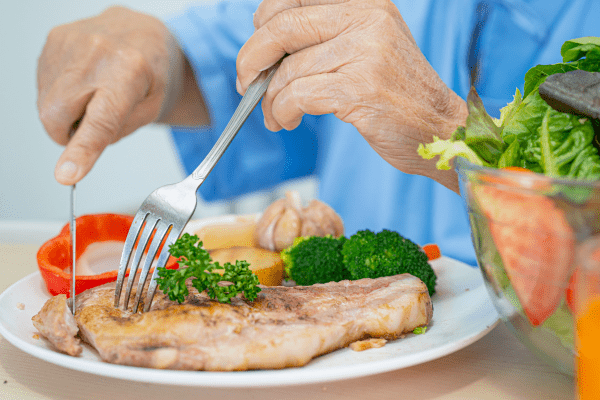
Growing older brings many changes to the body, but one of the most important factors influencing healthy ageing is often overlooked—nutrition.
Good nutrition is about far more than simply eating enough food. It provides the energy needed for daily activities, helps maintain muscle strength, supports the immune system, protects bone health, promotes healing after illness, and contributes to overall quality of life.
As people age, nutritional needs change. Appetite may decrease, chronic health conditions become more common, and everyday activities such as shopping, cooking and eating may become more difficult. Without proper nutrition, older adults are at greater risk of frailty, falls, illness and loss of independence.
Recognising the importance of food and nutrition, Australia’s strengthened Aged Care Quality Standards place greater emphasis on ensuring older people receive nutritious, appropriate and person-centred food and drink that supports both health and enjoyment of life.
Why Nutrition Matters More as We Age
Healthy eating benefits people throughout life, but it becomes increasingly important in later years.
Good nutrition helps older Australians:
- Maintain muscle mass and strength
- Reduce the risk of falls
- Support healthy bones
- Maintain a healthy body weight
- Strengthen the immune system
- Recover more quickly after illness or surgery
- Improve energy levels
- Support brain function
- Promote wound healing
- Maintain independence for longer
Nutrition also contributes to emotional wellbeing. Enjoying meals with family and friends can reduce social isolation and encourage regular eating habits, making mealtimes an important part of healthy ageing.
Key Takeaways
- Good nutrition supports healthy ageing and independence.
- Eating well helps reduce the risk of frailty, falls and hospitalisation.
- Nutritional needs often change after the age of 65.
- Early recognition of poor nutrition can prevent more serious health problems.
- Food should be enjoyable as well as nutritious.
Why Nutritional Needs Change with Age
Growing older naturally affects how the body processes food and nutrients.
Although everyone’s experience is different, several common changes may influence nutritional health.
Appetite Often Decreases
Many older adults simply do not feel as hungry as they once did.
Reduced physical activity, hormonal changes and certain medications can all decrease appetite. Smaller appetites may lead people to eat less frequently or skip meals altogether, making it more difficult to obtain enough essential nutrients.
Muscle Loss Becomes More Common
Beginning in later adulthood, people gradually lose muscle mass as part of the ageing process.
Without enough dietary protein and regular physical activity, this loss accelerates and may lead to reduced strength, slower walking speed and difficulty performing everyday tasks such as climbing stairs or carrying groceries.
Maintaining muscle health is one of the most effective ways to support independence in later life.
Changes in Taste and Smell
Many older adults notice changes in taste or smell.
Foods may seem less appealing, leading to reduced appetite and less varied diets. This may result in lower intake of important nutrients including protein, calcium and vitamins.
Simple adjustments such as using herbs, spices and colourful vegetables may help make meals more enjoyable without relying on excess salt or sugar.
Chronic Health Conditions
Conditions such as diabetes, heart disease, osteoporosis, kidney disease and digestive disorders may require specific dietary approaches.
Balancing nutritional needs alongside medical conditions often requires careful planning to ensure meals remain both enjoyable and appropriate.
Medication Can Affect Nutrition
Some medications may influence appetite, alter taste, cause nausea or reduce nutrient absorption.
Others may contribute to dry mouth, making chewing and swallowing less comfortable.
Regular medication reviews with healthcare professionals can help identify whether nutrition may be affected.
Common Nutritional Challenges Older Australians Face
Maintaining good nutrition is not always straightforward.
Many older people experience practical challenges that make healthy eating more difficult.
These may include:
- Living alone
- Reduced mobility
- Difficulty shopping
- Limited cooking confidence
- Financial pressures
- Dental problems
- Swallowing difficulties
- Memory changes
- Chronic illness
- Fatigue
When several of these factors occur together, preparing balanced meals can become increasingly challenging.
Families often assume an older relative is eating well because food is available at home. However, having food in the pantry does not necessarily mean enough nutritious meals are being prepared or consumed.
Protein: An Essential Nutrient for Healthy Ageing
Protein plays a particularly important role in older adulthood.
It helps maintain muscles, supports recovery after illness and contributes to healthy immune function.
Excellent protein sources include:
- Fish
- Chicken
- Lean meat
- Eggs
- Dairy products
- Beans
- Lentils
- Chickpeas
- Tofu
- Nuts and seeds
Rather than eating most protein at dinner, spreading protein intake across breakfast, lunch and dinner may better support muscle maintenance throughout the day.
Calcium and Vitamin D Support Strong Bones
Bone health becomes increasingly important with age.
Calcium helps maintain bone strength, while vitamin D assists the body in absorbing calcium effectively.
Good dietary sources of calcium include:
- Milk
- Yoghurt
- Cheese
- Calcium-fortified plant-based alternatives
- Some leafy green vegetables
Vitamin D is obtained through a combination of safe sun exposure and certain foods such as oily fish and fortified products.
For some older adults, healthcare professionals may recommend supplements based on individual health needs.
Fibre Supports Digestive Health
Constipation is one of the most common digestive concerns among older Australians.
Eating adequate fibre alongside sufficient fluids helps maintain healthy bowel function.
High-fibre foods include:
- Wholegrain bread
- Oats
- Brown rice
- Fruit
- Vegetables
- Legumes
- Nuts
- Seeds
Increasing fibre gradually while maintaining good hydration may help reduce digestive discomfort.
Healthy Eating Helps Maintain Independence
Nutrition influences much more than physical health.
Older adults who maintain good nutritional status are often better able to:
- Continue living independently
- Participate in community activities
- Recover after illness
- Maintain mobility
- Stay socially engaged
- Enjoy a better quality of life
Healthy eating supports everyday activities that many people take for granted, from walking to the local shops to spending time with grandchildren.
For this reason, nutrition should be viewed as an essential part of healthy ageing rather than simply a matter of food intake.
The Growing Focus on Nutrition in Australian Aged Care
Australia’s aged care system increasingly recognises that food is an important part of health, dignity and quality of life.
The strengthened Aged Care Quality Standards place greater emphasis on ensuring that older people receive nutritious food and drinks that reflect their individual preferences, cultural background, health conditions and personal choices.
Rather than adopting a one-size-fits-all approach, providers are encouraged to work with older people to support enjoyable mealtimes and individual nutritional needs.
This person-centred approach acknowledges that eating well is about more than meeting nutritional requirements—it is also about preserving independence, respecting personal preferences and enhancing everyday wellbeing.
Recognising the Early Signs of Poor Nutrition
Poor nutrition often develops gradually, making it easy to miss until more noticeable health problems appear. Families, carers and healthcare professionals all play an important role in recognising the early warning signs.
Some common signs that may indicate an older person is not receiving adequate nutrition include:
- Unintentional weight loss
- Reduced appetite
- Frequently skipping meals
- Feeling tired or lacking energy
- Loss of muscle strength
- Clothes or jewellery becoming noticeably looser
- Slow healing of cuts or wounds
- Frequent infections
- Difficulty concentrating
- Increased risk of falls
Many people assume these changes are simply a normal part of ageing. However, they may be early indicators of nutritional problems that deserve further assessment.
Understanding Malnutrition in Older Adults
Malnutrition occurs when the body does not receive enough energy, protein or other essential nutrients to function properly.
It is important to understand that malnutrition does not only affect people who appear underweight. An older adult can be overweight while still lacking key nutrients needed to maintain muscle, immunity and overall health.
If left unaddressed, malnutrition may contribute to:
- Frailty
- Reduced mobility
- Increased risk of falls
- Longer recovery after illness
- Higher rates of hospital admission
- Poor wound healing
- Reduced quality of life
The good news is that many cases can be improved through early recognition and appropriate nutritional support.
Hydration Is Just as Important as Nutrition
Good nutrition and good hydration go hand in hand.
As people age, the body’s sense of thirst naturally decreases. Some older adults may drink less because they worry about needing the toilet more often or because they simply forget to drink throughout the day.
Even mild dehydration can affect health by causing:
- Headaches
- Constipation
- Confusion
- Dizziness
- Fatigue
- Reduced concentration
- Increased risk of falls
Water should remain the primary drink for most people, although milk, soups and other nourishing fluids can also contribute to daily fluid intake.
Practical Tips to Support Healthy Eating
Healthy eating does not have to involve complicated meal plans. Small, realistic changes can often make the greatest difference.
Eat Regular Meals
Eating three balanced meals each day, with healthy snacks if needed, helps maintain steady energy and nutrient intake.
Include Protein with Every Meal
Adding protein at breakfast, lunch and dinner supports muscle maintenance throughout the day.
Examples include eggs, yoghurt, cheese, fish, lean meat, beans or tofu.
Choose Colourful Foods
A colourful plate usually provides a wider variety of vitamins, minerals and antioxidants.
Aim to include vegetables and fruit of different colours across the week.
Make Meals Enjoyable
People are more likely to eat well when meals are enjoyable.
Sharing meals with family or friends, eating in a pleasant environment and preparing favourite healthy dishes can all encourage better food intake.
Keep Healthy Snacks Available
Nutritious snacks such as yoghurt, cheese, fruit, nuts or wholegrain crackers can help people who find large meals difficult.
Seek Professional Advice When Needed
Older adults experiencing ongoing weight loss, swallowing difficulties or reduced appetite should discuss these concerns with their GP or other healthcare professionals.
Early assessment often prevents more serious nutritional problems from developing.
Supporting Nutrition at Home
Many older Australians wish to remain living independently at home for as long as possible.
Family members and carers can help support healthy eating by:
- Checking the refrigerator and pantry regularly
- Shopping together when possible
- Preparing meals in advance
- Encouraging regular meal times
- Monitoring changes in appetite or weight
- Making meals easier to chew if necessary
- Creating enjoyable social opportunities around food
Sometimes simple support with meal planning or preparation can make a significant difference.
Questions to Ask When Choosing an Aged Care Provider
Nutrition is an important aspect of quality aged care.
When comparing home care providers, families may wish to ask questions such as:
- How are nutritional needs identified and monitored?
- Is nutritional support included in care planning?
- How are changes in weight or appetite communicated to families?
- Can the provider accommodate cultural or religious dietary preferences?
- How are food allergies or medical dietary requirements managed?
- Can referrals be arranged to appropriate health professionals if nutritional concerns arise?
These conversations can provide valuable insight into how well a provider supports a person’s overall wellbeing.
Frequently Asked Questions
Is eating less a normal part of ageing?
Appetite often changes with age, but consistently eating too little is not considered a normal part of healthy ageing. Persistent appetite changes should be discussed with a healthcare professional.
How can older adults maintain muscle strength?
Regular physical activity combined with adequate dietary protein plays an important role in maintaining muscle mass and strength.
Why is protein so important after the age of 65?
Protein helps maintain muscles, supports immune function, assists wound healing and contributes to recovery after illness or surgery.
Can dehydration affect nutrition?
Yes. Poor hydration may reduce appetite, worsen constipation and contribute to fatigue or confusion, making healthy eating more difficult.
When should families be concerned about weight loss?
Unexpected or ongoing weight loss should never be ignored. Even small amounts of unintentional weight loss may indicate underlying health or nutritional concerns that require assessment.
Healthy Eating Supports Healthy Ageing
Good nutrition is one of the foundations of healthy ageing.
Eating a balanced diet helps older Australians maintain strength, independence and overall wellbeing while reducing the risk of many age-related health problems. Combined with regular physical activity, good hydration and appropriate healthcare, healthy eating supports a better quality of life throughout later years.
Families also play an important role by recognising early signs of poor nutrition and encouraging healthy eating habits before problems become more serious.
Small improvements made today can have lasting benefits for health, independence and confidence in the years ahead.
Find the Right Home Care Provider with Confidence
Good nutrition is just one part of receiving high-quality aged care. Choosing a provider that understands an individual’s health needs, personal preferences and lifestyle can make a meaningful difference to their wellbeing.
Support Services Connect Australia (SSCA) offers a free Care Finding service to help older Australians and their families compare suitable Home Care providers based on their individual needs, service flexibility, fees and location. With more than 25 years of experience in the Australian aged care sector, our team provides independent, no-obligation guidance to help you make informed decisions with confidence and find a provider that best supports your needs.