
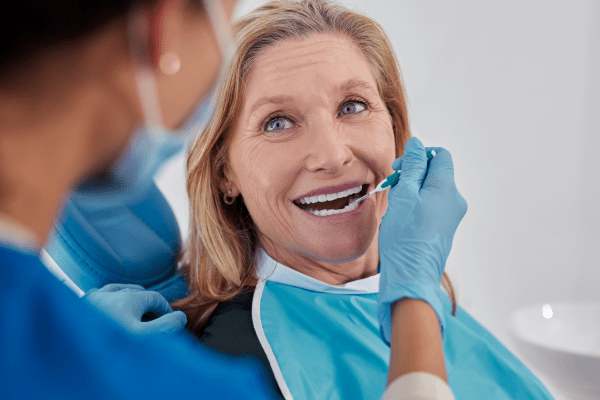
Growing older brings many changes to our health, yet one area is often overlooked—oral health.
Many people think dental care is mainly about preventing tooth decay or maintaining an attractive smile. In reality, good oral health plays a much broader role in overall wellbeing. It influences nutrition, communication, social confidence, and even the risk of serious health conditions.
For older Australians receiving home care or residential aged care, maintaining good oral health can help preserve independence and quality of life. Recognising its importance has become a growing priority across Australia’s aged care sector, with the strengthened Aged Care Quality Standards placing greater emphasis on safe, person-centred clinical care from 1 November 2025.
Oral Health Is Closely Connected to Overall Health
The mouth is often described as the gateway to the body, and for good reason.
Healthy teeth and gums allow people to eat a balanced diet, communicate comfortably, and participate confidently in social activities. When oral health declines, the effects can extend well beyond the mouth.
Poor oral health has been associated with:
- Difficulty chewing nutritious foods
- Weight loss and malnutrition
- Swallowing problems
- Increased risk of aspiration pneumonia
- Poor diabetes management
- Reduced quality of life
- Social withdrawal
- Chronic pain and discomfort
For many older people, dental problems develop gradually. Small issues such as dry mouth or sore gums may initially seem minor but can become increasingly significant if left untreated.
Why Oral Health Often Declines with Age
Growing older does not automatically mean losing healthy teeth. However, several age-related factors can make maintaining oral health more challenging.
These may include:
Chronic Health Conditions
Many older Australians live with multiple health conditions that may affect oral health either directly or indirectly.
Conditions such as arthritis may make brushing difficult, while neurological conditions can reduce coordination and swallowing ability.
Some people living with dementia may gradually forget daily oral hygiene routines or become less able to communicate dental discomfort.
Medication Side Effects
Many commonly prescribed medications can reduce saliva production.
Saliva performs several important functions by:
- protecting teeth from decay
- helping digestion begin
- reducing harmful bacteria
- keeping oral tissues healthy
When saliva production decreases, individuals may experience:
- persistent dry mouth
- difficulty swallowing
- altered taste
- increased tooth decay
- mouth infections
Because many older Australians take multiple medications, dry mouth is one of the most common oral health concerns in later life.
Reduced Dexterity
Simple daily activities like brushing and flossing can become more difficult due to:
- arthritis
- tremors
- reduced grip strength
- stroke
- Parkinson’s disease
Without appropriate support or adaptive equipment, oral hygiene may gradually decline.
Changes in Diet
As chewing becomes more difficult, some older adults avoid foods that require more effort, including:
- fresh fruit
- raw vegetables
- lean meats
- nuts
Instead, they may choose softer processed foods that are often higher in sugar and lower in nutritional value.
This can create a cycle where poor oral health contributes to poorer nutrition, which in turn affects overall health.
The Link Between Oral Health and Nutrition
Nutrition and oral health influence each other in important ways.
Healthy teeth allow older adults to enjoy a wide variety of nutritious foods that provide essential protein, fibre, vitamins and minerals.
Conversely, untreated dental problems may discourage eating altogether.
Research has shown that poor oral health can contribute to:
- reduced appetite
- unintended weight loss
- frailty
- decreased muscle strength
- reduced immune function
Maintaining healthy teeth and gums therefore supports healthy ageing by helping older people continue eating balanced meals and maintaining adequate nutrition.
Oral Health Can Affect Social Wellbeing
Oral health is not only a medical issue—it also affects emotional wellbeing.
Painful teeth, missing teeth or poorly fitting dentures may cause embarrassment when speaking or smiling.
Some older people begin avoiding:
- family gatherings
- community activities
- social clubs
- volunteer work
- dining with friends
Over time, reduced social participation may contribute to loneliness and decreased quality of life.
Supporting oral health therefore helps people remain active members of their communities.
Oral Health and Cognitive Health
Emerging research continues to explore the relationship between oral health and brain health.
Although researchers are still studying the exact mechanisms involved, evidence suggests that chronic gum disease, persistent inflammation and poor oral hygiene may be associated with an increased risk of cognitive decline in some older adults.
For individuals already living with dementia, maintaining daily oral care can also become increasingly challenging.
Family members and carers often play an important role by helping establish gentle routines that support comfort while preserving dignity and independence for as long as possible.
Oral Health in Australia’s Aged Care System
Australia’s approach to oral health in aged care has evolved considerably in recent years.
The strengthened Aged Care Quality Standards, introduced under the new Aged Care Act, reinforce the importance of providing safe, person-centred clinical care that reflects each older person’s individual needs and preferences. Providers are expected to identify health risks, plan appropriate care, and respond to changing clinical needs as part of delivering quality aged care.
In addition, guidance such as Better Oral Health in Residential Care encourages aged care services to incorporate oral health assessments, daily mouth care, care planning and timely referrals when dental concerns are identified.
Early Warning Signs Families Should Never Ignore
Oral health problems often develop gradually, making them easy to overlook. Family members, carers and support workers are often the first to notice subtle changes that may indicate a dental issue.
Some common warning signs include:
- Persistent bad breath
- Bleeding gums when brushing
- Loose or broken teeth
- Mouth sores that do not heal
- Swollen or painful gums
- Difficulty chewing certain foods
- Complaints of tooth or jaw pain
- Refusing favourite foods
- Sudden weight loss
- Poorly fitting dentures
- Changes in speech caused by oral discomfort
Older adults living with dementia may not always be able to explain what is wrong. Instead, discomfort may appear as behavioural changes such as refusing meals, becoming agitated during personal care, touching the face frequently, or becoming unusually withdrawn.
Recognising these signs early can help prevent minor dental concerns from developing into more serious health problems.
Pactical Ways Older Adults Can Maintain Good Oral Health
Good oral health does not necessarily require complicated routines. Small daily habits can make a significant difference.
Some practical recommendations include:
Brush Twice Every Day
Brush teeth gently using fluoride toothpaste and a soft-bristled toothbrush. If holding a toothbrush becomes difficult, modified handles or electric toothbrushes may make brushing easier.
Clean Between Teeth
Cleaning between teeth removes plaque that brushing alone may miss. Depending on individual needs, floss, interdental brushes or water flossers may be appropriate.
Keep Dentures Clean
Dentures should be cleaned daily and checked regularly to ensure they continue fitting comfortably.
Poorly fitting dentures can contribute to mouth ulcers, reduced food intake and difficulty speaking.
Stay Hydrated
Drinking enough water helps reduce dry mouth and supports saliva production.
Individuals experiencing persistent dry mouth should discuss the issue with their GP, dentist or pharmacist, as medication adjustments or saliva substitutes may sometimes be appropriate.
Eat a Balanced Diet
A nutritious diet rich in vegetables, fruit, lean protein and dairy products supports both oral and general health.
Limiting sugary snacks and sweetened drinks also helps reduce the risk of tooth decay.
Visit a Dental Professional Regularly
Routine dental examinations remain important throughout life.
Regular check-ups allow problems to be identified early, often before they become painful or require more complex treatment.
Supporting Oral Health at Home
Many older Australians prefer to remain living independently for as long as possible.
For those receiving home care services, oral health should be considered part of overall wellbeing rather than a separate issue.
Support workers and family carers can help by:
- Encouraging regular brushing routines
- Noticing changes in eating habits
- Monitoring denture comfort
- Assisting with appointments where appropriate
- Observing signs of oral pain or infection
- Reporting concerns promptly
Simple observations during everyday interactions can make a meaningful difference.
Oral Health in Residential Aged Care
For people living in residential aged care, maintaining oral health requires collaboration between residents, families and care providers.
High-quality providers should aim to:
- Include oral health as part of individual care planning
- Review oral health needs regularly
- Support daily mouth care according to individual preferences
- Arrange referrals to dental professionals when necessary
- Respect each resident’s dignity and personal choices during care
The strengthened Aged Care Quality Standards reinforce the importance of person-centred care that addresses clinical needs while respecting the wishes and independence of older people. This includes recognising oral health as an important aspect of overall health and wellbeing.
Choosing an Aged Care Provider That Values Oral Health
When comparing home care or residential aged care providers, many families naturally focus on fees, waiting times and available services.
However, it is equally important to ask how a provider supports day-to-day health needs, including oral health.
Useful questions may include:
- How are oral health needs identified?
- Is oral health discussed during care planning?
- How are changes in oral health monitored?
- What happens if dental treatment becomes necessary?
- How does the provider communicate concerns with families?
These conversations can help families better understand how providers approach holistic, person-centred care.
Frequently Asked Questions
Is tooth loss a normal part of ageing?
No. Although oral health challenges become more common with age, losing teeth is not considered a normal or inevitable part of growing older. With appropriate daily care and regular dental treatment, many older adults retain healthy natural teeth throughout life.
Why is dry mouth so common in older adults?
Dry mouth is often related to medications rather than ageing itself. Reduced saliva can increase the risk of tooth decay, gum disease and difficulty swallowing, so persistent symptoms should be discussed with a healthcare professional.
Can poor oral health affect nutrition?
Yes. Painful teeth, gum disease or poorly fitting dentures may make chewing difficult, leading some older adults to avoid nutritious foods and increasing the risk of malnutrition and frailty.
Does dementia affect oral health?
Yes. People living with dementia may gradually find it more difficult to remember or complete daily oral hygiene routines. Gentle support from carers and family members can help maintain comfort, dignity and overall health.
Looking Beyond the Smile
Oral health is about far more than healthy teeth.
It influences nutrition, communication, confidence, comfort and overall quality of life. It also plays an important role in supporting healthy ageing and helping older Australians remain independent for longer.
As Australia’s aged care system continues to strengthen its focus on person-centred care, recognising oral health as an essential part of everyday wellbeing will benefit older people, families and care providers alike.
Small daily habits, regular dental care and early recognition of problems can make a lasting difference to both physical health and emotional wellbeing.
Find the Right Aged Care Provider with Confidence
Choosing an aged care provider involves much more than comparing prices. Every older person has unique health needs, preferences and goals, and finding a provider that aligns with those needs can make a meaningful difference to their quality of life.
Support Services Connect Australia (SSCA) offers a free Care Finding service to help older Australians and their families compare suitable Home Care providers based on individual needs, service flexibility, fees and location. With more than 25 years of experience in the Australian aged care sector, our team provides independent, no-obligation guidance to make the process easier and less overwhelming.
Whether you’re exploring aged care for yourself or supporting a loved one, our Care Finding service can help you make a more informed choice with confidence.