
Introduction: A Growing Risk We Can No Longer Ignore
Every day in Australia, hundreds of older people are admitted to hospital due to falls. For many families, these incidents come suddenly—often turning what seemed like a minor slip into a life-changing event. Yet despite how common falls are, one of the most important facts is often overlooked: falls are not an inevitable part of ageing.
Research from experts such as Kim Delbaere at Neuroscience Research Australia highlights a critical shift in thinking. Instead of accepting falls as unavoidable, there is growing evidence that many falls can be prevented with the right strategies, early assessment, and targeted support.
This article explores why falls occur, how they can be predicted, and—most importantly—what older Australians and their families can do to reduce risks and maintain independence.
The Reality: How Common Are Falls in Older Australians?
Falls are one of the leading causes of injury among people aged 65 and over in Australia. Current data shows:
- Around 1 in 3 older Australians experiences a fall each year
- Approximately 25% of these falls result in serious injury
- Falls lead to hundreds of hospital admissions daily
- Many incidents result in long-term loss of independence
These statistics highlight that falls are not rare accidents—they are a major public health issue that affects individuals, families, and the broader healthcare system.
Why Falls Matter More Than You Think
A fall is often seen as a one-time accident, but its consequences can extend far beyond the initial injury.
Physical Impact
Falls can result in:
- Fractures (especially hip fractures)
- Head injuries
- Reduced mobility
- Chronic pain
Emotional and Psychological Impact
Even when injuries are minor, the emotional effects can be significant:
- Fear of falling again
- Loss of confidence
- Social withdrawal
- Increased anxiety
Long-Term Consequences
Many older people who fall may:
- Require additional home care support
- Experience faster health decline
- Transition earlier into residential aged care
This is why prevention is not just about avoiding injury—it is about preserving independence and quality of life.
A New Perspective: Falls Are Preventable
For many years, there has been a common belief that falls are simply part of getting older. However, experts like Kim Delbaere strongly challenge this idea.
Her research shows that proactive prevention strategies can reduce falls by up to 30%—a significant improvement that can transform outcomes for older Australians.
The key lies in early identification of risk factors and tailored interventions.
The First Step: Identifying Fall Risk Early
Healthcare professionals are increasingly encouraged to take a proactive approach by screening individuals aged 65 and over.
A simple but effective method involves asking three key questions:
- Have you fallen in the past year?
- Do you feel unsteady when standing or walking?
- Are you worried about falling?
These questions may seem basic, but they provide valuable insight into a person’s risk level.
Moving Beyond Questions: Physical Assessments
If initial screening suggests a higher risk, further physical assessments can help determine the severity of the issue.
Common assessments include:
- Balance tests
- Gait (walking) analysis
- Strength evaluations
- Reaction time checks
These tests allow healthcare providers to classify individuals into low, moderate, or high-risk categories, ensuring that interventions are appropriately targeted.
Tailored Interventions: One Size Does Not Fit All
One of the most important findings in falls prevention research is that different people need different solutions.
For Low-Risk Individuals
- Maintain regular physical activity
- Monitor changes in balance or mobility
- Stay socially active
For Moderate-Risk Individuals
- Participate in structured exercise programs
- Improve strength and balance
- Review medications with a GP
For High-Risk Individuals
- Comprehensive falls prevention programs
- Home safety assessments
- Assistive devices if needed
- Ongoing clinical support
This personalised approach ensures that interventions are both effective and sustainable.
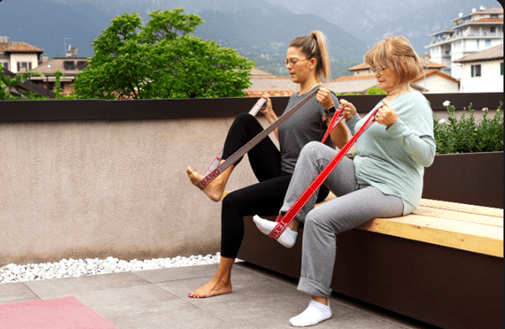
The Role of Exercise: Building Strength and Stability
Exercise is one of the most effective tools in preventing falls.
Programs focusing on:
- Balance training
- Strength building
- Coordination exercises
have been shown to significantly reduce fall risk.
Examples include:
- Tai Chi
- Physiotherapy-guided programs
- Strength training tailored for seniors
Consistency is key. Even small improvements in strength and balance can make a significant difference.
Home Safety: Reducing Environmental Risks
Many falls occur at home, where hazards are often overlooked.
Common risks include:
- Loose rugs
- Poor lighting
- Slippery floors
- Cluttered walkways
Simple changes can greatly reduce risk:
- Installing grab rails
- Improving lighting
- Removing tripping hazards
- Using non-slip mats
A professional home safety assessment can identify risks that may not be immediately obvious.
The Digital Shift: Technology in Falls Prevention
Modern technology is playing an increasing role in keeping older Australians safe.
Innovations include:
- Wearable devices that detect falls
- Apps that assess fall risk
- Digital exercise programs
- Remote monitoring systems
Experts like Kim Delbaere have been actively involved in developing digital tools that make prevention more accessible and scalable.
These technologies are particularly valuable for:
- People living alone
- Rural or remote communities
- Individuals needing ongoing monitoring
The Importance of Regular Reviews
Falls risk is not static—it changes over time.
Regular reviews should include:
- Health check-ups
- Medication reviews
- Mobility assessments
- Lifestyle evaluations
By reassessing risks periodically, interventions can be adjusted to reflect changing needs.
Supporting Independence While Staying Safe
One of the biggest concerns for older Australians is losing independence.
The goal of falls prevention is not to restrict movement—but to enable safe independence.
This includes:
- Encouraging confidence in mobility
- Supporting safe activity
- Providing appropriate assistance when needed
A balanced approach ensures that safety does not come at the cost of quality of life.
How Families Can Help
Family members play a vital role in falls prevention.
They can:
- Encourage regular health check-ups
- Help identify home hazards
- Support participation in exercise programs
- Monitor changes in mobility or behaviour
Open communication is essential. Many older individuals may not report falls due to embarrassment or fear of losing independence.
Navigating Support Services in Australia
While there are many falls prevention programs and support services available in Australia, navigating the system can be overwhelming.
Challenges often include:
- Understanding eligibility
- Comparing providers
- Evaluating service quality
- Managing costs
This complexity can delay access to the right support—potentially increasing the risk of falls.
Conclusion: Prevention Starts Today
Falls are common, but they are not inevitable. With the right knowledge, early intervention, and tailored support, many falls can be prevented.
From simple home modifications to structured exercise programs and digital health tools, there are numerous ways to reduce risk and improve safety.
The most important step is to take action early—before a fall occurs.
About Support Services Connect Australia (SSCA)
Choosing the right aged care support can be confusing, especially when trying to reduce risks like falls while maintaining independence.
At Support Services Connect Australia (SSCA), we bring over 25 years of experience in the Australian aged care sector to help older Australians and their families navigate these decisions with confidence.
Our free care finding service helps match your needs, preferences, and location with suitable Home Care Package providers. We simplify complex information, compare services and fees, and guide you through the process—so you can make informed choices without added stress.
If you are in Melbourne and looking for the right support to improve safety and independence at home, our team is here to help—at no cost to you.