
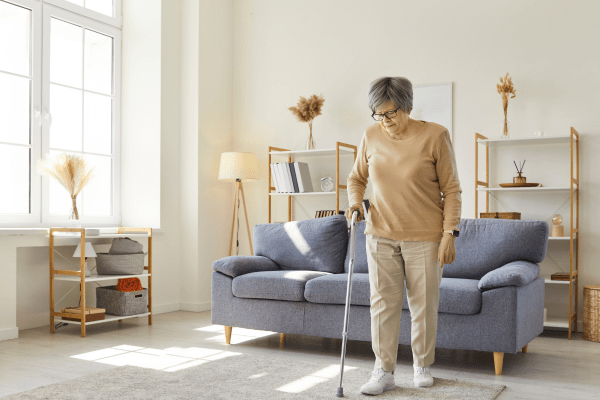
Rethinking Independence in Later Life
Many people associate independence with being able to manage every aspect of life without assistance. However, as people age, independence often takes on a different meaning. Rather than doing everything alone, true independence is about maintaining choice, control, confidence, and the ability to participate in daily life in meaningful ways.
Australia’s aged care sector is increasingly embracing a philosophy known as wellness and reablement. This approach recognises that older people often have strengths, abilities, and potential that can be supported and developed, rather than focusing solely on what they can no longer do.
Instead of providing assistance that may unintentionally encourage dependence, wellness and reablement approaches aim to help older Australians maintain or regain skills, improve confidence, and continue living independently for as long as possible.
As Australia prepares for significant aged care reforms and a stronger focus on supporting people to remain at home, understanding wellness and reablement has become increasingly important for older Australians, families, carers, and service providers.
What Is Wellness and Reablement?
Although the terms are often used together, wellness and reablement have slightly different meanings.
Understanding Wellness
Wellness focuses on supporting overall wellbeing and helping people maintain their existing abilities.
The approach encourages individuals to:
- Stay physically active
- Remain socially connected
- Participate in meaningful activities
- Maintain confidence and self-esteem
- Make decisions about their own lives
- Continue doing as much as possible independently
Rather than viewing ageing as a period of inevitable decline, wellness recognises that many older adults can continue to live active and fulfilling lives with the right support.
Understanding Reablement
Reablement is a short-term, goal-focused approach designed to help people regain skills, confidence, or independence that may have been reduced due to illness, injury, hospitalisation, or age-related changes.
Examples may include helping someone:
- Walk safely again after a fall
- Regain confidence after a hospital stay
- Learn strategies to manage reduced mobility
- Improve balance and strength
- Resume cooking simple meals
- Return to social activities
- Rebuild daily living skills
The goal is not simply to provide ongoing assistance but to help people maximise their abilities wherever possible.
Why Australia Is Focusing on Reablement
Australia’s population is ageing rapidly.
Many older Australians express a strong desire to:
- Remain in their own homes
- Stay connected to their communities
- Maintain independence
- Continue making their own decisions
- Avoid unnecessary reliance on support services
Research consistently shows that older people often experience better outcomes when they remain active and engaged rather than becoming overly dependent on assistance.
This shift in thinking has influenced the direction of aged care reforms and home care services across Australia.
Moving Away from the “Doing For” Model
Traditional care models sometimes focused on completing tasks for older people.
For example, a support worker might:
- Make the bed
- Prepare all meals
- Complete household tasks
- Organise personal belongings
While this may appear helpful, doing everything for a person can sometimes lead to reduced confidence, loss of skills, and increased dependence over time.
A wellness and reablement approach asks a different question:
“What can the person do, and how can we support them to continue doing it?”
This subtle shift can make a significant difference to long-term independence.
The Benefits of Wellness and Reablement
Maintaining Independence
One of the most important benefits is helping people maintain independence for longer.
Even small improvements in daily functioning can help individuals continue living safely at home and remain engaged in their communities.
Building Confidence
Loss of confidence can occur after:
- Falls
- Illness
- Surgery
- Hospital admissions
- Significant life changes
Reablement encourages people to gradually rebuild confidence through achievable goals and practical support.
Improving Physical Health
Physical activity often plays an important role in reablement programs.
Benefits may include:
- Better mobility
- Increased strength
- Improved balance
- Reduced fall risk
- Greater endurance
- Enhanced flexibility
These improvements can support safer and more independent living.
Supporting Mental Wellbeing
Maintaining independence often contributes positively to emotional health.
People who continue participating in everyday activities may experience:
- Greater self-esteem
- Reduced anxiety
- Improved mood
- Increased motivation
- Stronger sense of purpose
Enhancing Social Connection
Remaining active often means remaining connected.
Wellness-focused approaches encourage participation in:
- Community groups
- Social activities
- Volunteering
- Educational programs
- Exercise classes
- Cultural events
These opportunities can help reduce loneliness and social isolation.
Practical Examples of Wellness and Reablement
Many people are surprised to learn how simple reablement activities can be.
Example 1: Regaining Confidence After a Fall
An older person experiences a fall and becomes fearful of walking outdoors.
A reablement approach may involve:
- Strength and balance exercises
- Gradual walking programs
- Confidence-building activities
- Home safety improvements
The goal is to help the individual safely return to activities they enjoy.
Example 2: Returning Home After Hospital
Following a hospital stay, an older person may struggle with daily tasks.
Rather than permanently taking over these activities, support may focus on:
- Practising meal preparation
- Rebuilding physical strength
- Establishing daily routines
- Developing strategies for managing tasks independently
Example 3: Managing Everyday Activities
An individual finds dressing increasingly difficult due to arthritis.
A wellness-focused approach may involve:
- Teaching adaptive techniques
- Introducing helpful equipment
- Practising tasks
- Building confidence
This can allow the person to continue dressing independently.
Everyday Activities That Support Independence
Wellness and reablement are not limited to formal programs.
Many everyday activities can help maintain abilities and confidence.
Physical Activities
Examples include:
- Walking
- Gardening
- Swimming
- Stretching
- Tai Chi
- Dancing
- Chair exercises
- Light household tasks
Cognitive Activities
Keeping the mind active can also support independence.
Examples include:
- Reading
- Puzzles
- Crosswords
- Learning new skills
- Playing cards
- Using technology
- Creative hobbies
Social Activities
Social engagement remains a key component of healthy ageing.
Examples include:
- Community groups
- Men’s sheds
- Senior centres
- Volunteer programs
- Religious organisations
- Family gatherings
- Hobby clubs
The Importance of Goal Setting
A core principle of reablement is helping people work towards goals that matter to them.
Goals might include:
- Walking to the local shops
- Attending a grandchild’s sporting event
- Cooking independently
- Returning to gardening
- Participating in community activities
- Travelling safely
Personal goals provide motivation and make progress more meaningful.
Supporting Family Carers
Families often want to help loved ones by taking over tasks.
While this support comes from a place of care, it is important to balance assistance with opportunities for independence.
Carers can support wellness and reablement by:
- Encouraging participation
- Allowing extra time for tasks
- Celebrating progress
- Promoting confidence
- Focusing on abilities rather than limitations
This approach can help maintain dignity and self-esteem.
Wellness and Reablement Under Australia’s Aged Care Reforms
Australia’s aged care reforms continue to place greater emphasis on supporting independence and wellbeing.
The philosophy aligns with the broader goal of helping older Australians:
- Live at home longer
- Remain connected to their communities
- Maintain control over daily decisions
- Preserve functional abilities
- Improve quality of life
As aged care services evolve, wellness and reablement are expected to remain central principles across home care and community support programs.
Overcoming Common Misconceptions
“If I Need Help, I’m No Longer Independent”
This is one of the most common myths about ageing.
In reality, many independent people receive support in specific areas while continuing to make decisions and manage other aspects of their lives.
Independence is about control and choice, not doing everything alone.
“Ageing Means Constant Decline”
While ageing can bring challenges, many people maintain or improve their abilities through exercise, social participation, healthy habits, and targeted support.
A wellness approach focuses on possibilities rather than limitations.
“Support Services Create Dependence”
When delivered appropriately, support services can actually promote independence by helping people maintain skills and confidence.
The key is providing assistance that empowers rather than replaces the individual’s abilities.
Building a More Independent Future
Growing older does not mean giving up independence. For many older Australians, the right support, combined with a focus on wellness and reablement, can help maintain confidence, skills, and quality of life for years to come.
By encouraging physical activity, social engagement, lifelong learning, and participation in everyday tasks, older adults can continue living meaningful and fulfilling lives while remaining connected to the people and activities they value most.
The goal is not perfection. The goal is helping each person achieve the highest level of independence possible based on their individual circumstances, preferences, and abilities.
How SSCA Can Help
Understanding aged care services and choosing the right provider can be confusing, especially when trying to find support that aligns with wellness and reablement principles.
At SSCA (Support Services Connect Australia), our team has more than 25 years of experience in the Australian aged care sector. We provide a free Care Finding service that helps older Australians and their families navigate available options and connect with suitable aged care providers.
Our free Care Finding service can help you compare providers, understand available services, and find support that matches your goals, preferences, location, and lifestyle, helping you make informed decisions with greater confidence and less stress.