
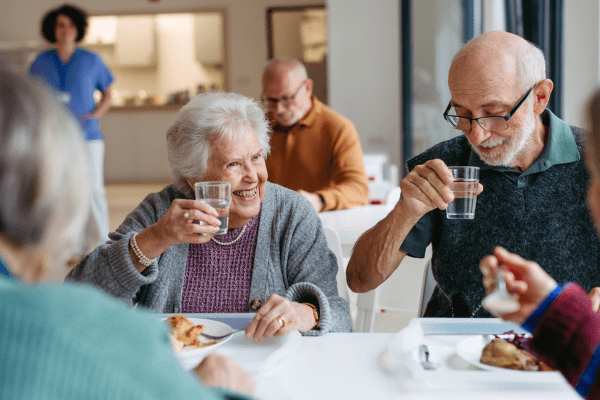
How Staying Connected Can Support Health and Wellbeing as We Age
Healthy ageing is about more than managing physical health. Staying socially connected plays an important role in supporting emotional wellbeing, maintaining independence and enjoying a better quality of life.
As people grow older, retirement, reduced mobility, health conditions or the loss of loved ones can make it more difficult to stay socially active. Without regular social interaction, some older Australians may experience loneliness or social isolation, both of which can affect physical and mental health.
The good news is that even small, regular social connections can make a meaningful difference. Whether it is meeting friends for coffee, joining a local community group or simply making a phone call to a family member, staying connected helps older people remain engaged with the people and activities they enjoy.
Why Social Connections Are Important
Social interaction provides much more than companionship.
Research has shown that maintaining social connections may help older adults:
- support emotional wellbeing
- reduce feelings of loneliness
- maintain confidence and independence
- encourage physical activity
- improve overall quality of life
- stay engaged with their local community
Regular social contact can also provide reassurance for family members, as changes in health or wellbeing may be noticed earlier by friends, neighbours or community groups.
What Can Cause Social Isolation?
Many life changes associated with ageing can make it harder to stay socially connected.
Some common factors include:
- retirement
- reduced mobility
- chronic health conditions
- no longer driving
- living alone
- the loss of a partner or close friends
Recognising these challenges early allows older people and their families to take positive steps to maintain social engagement before isolation becomes a significant concern.
Simple Ways to Stay Connected
Staying socially active does not always require major lifestyle changes. Small, regular activities can have a positive impact on wellbeing.
Ideas include:
- joining local community or seniors’ groups
- attending hobby groups or social activities
- keeping in touch with family and friends by phone or video call
- participating in volunteering opportunities
- attending community events
- visiting local libraries or neighbourhood centres
The most suitable activities will vary from person to person, depending on interests, health and mobility.
Social Support Services Can Help
For some older Australians, additional support may make it easier to remain socially connected.
Government-funded aged care services may include social support, which helps older people continue participating in community life and maintain meaningful relationships.
Depending on individual circumstances, social support services may include opportunities to:
- participate in group activities
- attend community programs
- build social connections
- receive assistance that supports ongoing community participation
These services aim to help older Australians remain active, connected and engaged while continuing to live independently.
Official Government information:
https://www.myagedcare.gov.au/help-at-home/social-support
Healthy Ageing Is About More Than Physical Health
Maintaining physical health is important, but healthy ageing also includes emotional wellbeing, social participation and staying connected with the people and communities that matter.
By making social connections a regular part of everyday life, older Australians can continue enjoying meaningful relationships, greater confidence and a stronger sense of belonging throughout later life.
Find the Right Home Care Provider with Confidence
Understanding the support available is an important step towards maintaining independence and wellbeing.
Support Services Connect Australia (SSCA) offers a free Care Finding service to help older Australians and their families compare Home Care providers based on individual needs, service flexibility, fees and location.
With more than 25 years of experience in the Australian aged care sector, SSCA provides independent, no-obligation guidance to help you connect with a provider that best supports your health, independence and lifestyle.