
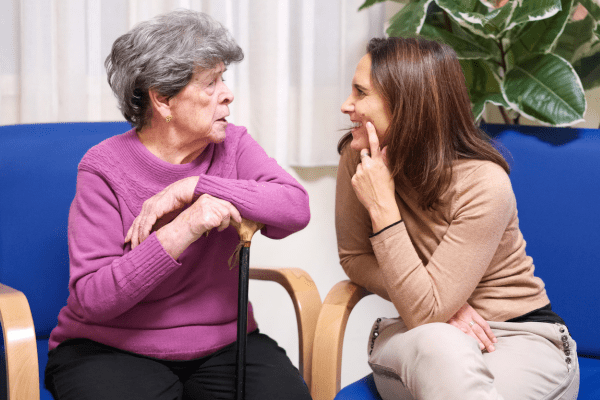
One-on-one, personalized social connections serve as a crucial “lifeline” for seniors, offering specific emotional and cognitive support that may be absent in larger group environments. Studies indicate that for older adults, the quality and type of relationships are more important for healthy aging than the mere number of social contacts.
Key Advantages of One-on-One Connection
Personalized interactions present distinct benefits for the health and well-being of seniors:
- Targeted Emotional Support: Committed companions or family members create a “safe space” for seniors to navigate complex emotions such as grief or anxiety, which they might feel compelled to conceal in group settings.
- Reduced Social Anxiety: For seniors who find large gatherings daunting, one-on-one meetings or small, intimate gatherings serve as a gentler introduction to socialization, fostering confidence.
- Personalized Cognitive Exercise: Individual conversations function as a “mental workout,” necessitating focused attention, memory recall, and problem-solving tailored to the senior’s unique interests and pace.
- Dignity in Dementia Care: For individuals experiencing cognitive decline, one-on-one interactions that utilize familiar topics and a soothing tone can alleviate distress, uphold dignity, and help sustain emotional equilibrium.
Effects on Physical and Mental Health
The absence of personal connections is associated with significant health risks, while strong relationships offer protective advantages:
- Physical Longevity: Strong social ties can enhance survival rates by 50%. In contrast, chronic loneliness is reported to be as detrimental as smoking 15 cigarettes daily.
- Disease Prevention: Regular social interaction serves as a protective factor against dementia, heart disease, stroke, and hypertension.
- Immune System Enhancement: Quality relationships are correlated with reduced levels of inflammatory proteins and a more robust immune response, facilitating quicker recovery from illness.
Impact on Physical and Mental Health
Lack of personal connection is associated with significant health risks, whereas strong relationships offer protective advantages:
- Physical Longevity: Strong social connections can enhance survival rates by 50%. In contrast, persistent loneliness is said to be as detrimental as smoking 15 cigarettes daily.
- Disease Prevention: Frequent social interaction serves as a protective measure against dementia, heart disease, stroke, and hypertension.
- Immune System Boost: Healthy relationships correlate with reduced levels of inflammatory proteins and a more robust immune response, facilitating quicker recovery from illness.
Practical Approaches for Personalised Connection
- Regular, Short Engagements: Families are advised to arrange brief, consistent visits (for instance, 5-minute video calls) instead of infrequent, lengthy ones to uphold a reliable routine.
- Companion Services: Home care agencies provide dedicated companionship, where trained personnel engage in customized activities such as reading, reminiscing over old photographs, or light gardening.
- Intergenerational Pairing: One-on-one mentoring or “grandparent” programs enable seniors to impart their wisdom (generativity), enhancing self-esteem and fostering a revitalized sense of purpose.
- Telephone Support: Services such as the G’Day Line provide anonymous, friendly conversations for individuals experiencing isolation.