
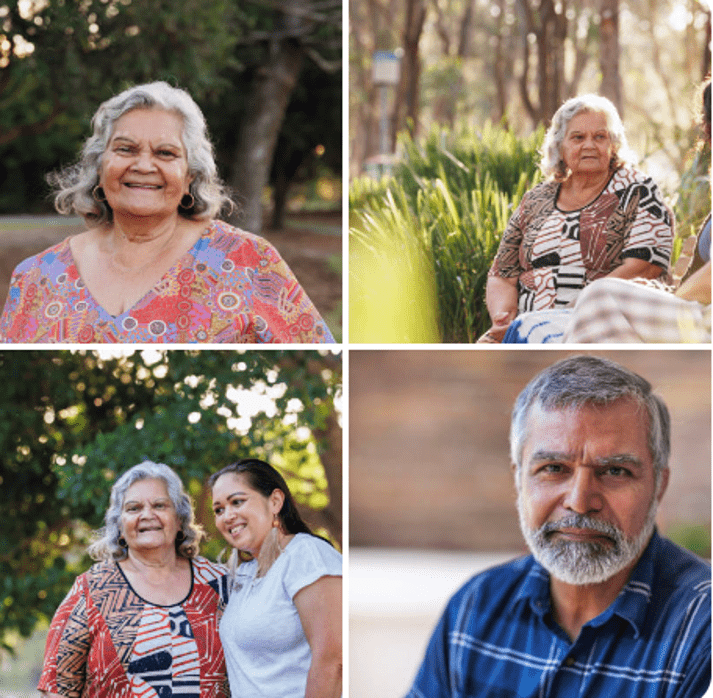
Aged care is predominantly task-focused, and First Nations cultural practices serve as a reminder of the critical role of connection, presence, and time in dementia care, states Kathleen Bright.
Researchers Kathleen Bright and Felicity Dougherty have been at the forefront of a pilot project that investigates how First Nations cultural practices can bolster person-centred dementia care for individuals of various backgrounds.
Aunty Sandra King, who coordinates the reconciliation action plan for the Anglican Church Southern Queensland, along with Jess Simpson, the First Nations engagement lead at Anglicare Southern Queensland, have also contributed to the pilot’s support.
The pilot is currently being conducted at two aged care facilities in Queensland: Anglicare Southern Queensland’s St John’s Nursing Home in Toowong and the Nalingu Respite Day Centre in Zillmere.
Ms. Bright, a Kamilaroi woman and a registered nurse with more than twenty years of experience, is leading this initiative.
The project combines professional expertise with lived experiences to implement what she describes as “traditional ways of knowing, being, and doing,” she remarked.
“Too often, aged care is excessively task-oriented, with a growing reliance on technology – from laptops and iPads to large television screens,” Ms. Bright expressed.
“While technology plays a role, it can undermine informal relationships. First Nations cultural practices remind us of the importance of connection, presence, and time, providing essential lessons for enhancing dementia care more broadly.”
The project brings together professional expertise and lived experience to apply what she describes as “traditional ways of knowing, being and doing,” Ms Bright, a Kamilaroi woman and registered nurse with over two decades of experience, said.
“Too often, aged care is highly task‑oriented, with increasing reliance on technology – from laptops and iPads to large TV screens,” Ms Bright said.
“While technology has a role, it can work against informal relationships. First Nations cultural practices remind us of the importance of connection, presence, and time, and there are valuable lessons in this for improving dementia care more broadly.”
The project combines professional expertise with lived experiences to implement what she describes as “traditional ways of knowing, being, and doing,” she mentioned.
“Aged care is frequently overly focused on tasks, with a growing dependence on technology – from laptops and iPads to large television screens,” Ms. Bright commented.
“While technology plays a role, it can undermine informal relationships. First Nations cultural practices highlight the importance of connection, presence, and time, which provide valuable lessons for enhancing dementia care on a broader scale.”
During the first phase of the pilot, Ms. Bright and Ms. Dougherty investigated yarning circles, which included both Aboriginal and non-Aboriginal individuals.
These yarning circles establish safe spaces for truth-telling, reflection, and shared memories, as stated by Ms. Bright.
Participants in the pilot also explored native foods and scents and had the opportunity to learn the introductory Yagara language, spoken in Southeast Queensland.
As the initiative progresses, future sessions will build upon the yarning circle format and incorporate First Nations experiences in singing, art, and screen printing.
“I hope to see aged care transition towards engagement that is genuinely meaningful,” Ms. Bright expressed.
“The goal of this pilot is to foster a more holistic and person-centered understanding of personhood for those living with dementia – one that recognizes the importance of country, story, culture, community, and law.”
The findings thus far will be presented at the International Dementia Conference on June 4–5. So far, participant responses have been overwhelmingly positive, Ms. Bright indicated.
“The enthusiasm for continuity and connection we have witnessed thus far gives us strong encouragement to continue embedding First Nations perspectives into dementia care practices,” she remarked.
Marie Alford, co-convenor of the International Dementia Conference and general manager of growth and innovation, noted.