
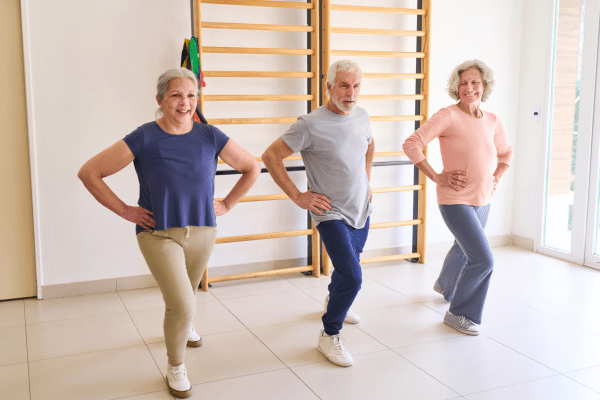
Staying Active with Dementia: Why Movement Matters
Dementia affects millions of people worldwide and is one of the most significant health challenges facing older Australians today. While there is currently no cure for dementia, there is growing evidence that lifestyle factors can help people maintain their independence, wellbeing, and quality of life for longer. Among these factors, regular physical activity stands out as one of the most effective and accessible strategies.
Many people associate exercise with physical fitness, but its benefits extend far beyond muscle strength and mobility. For individuals living with dementia, staying active can support brain health, improve mood, reduce the risk of falls, encourage social interaction, and help maintain everyday functioning.
In this article, we explore the relationship between dementia and exercise, the potential benefits of physical activity, practical exercise ideas, safety considerations, and how families and carers can encourage older Australians to remain active.
Understanding Dementia
Dementia is not a single disease but rather a term used to describe a group of symptoms that affect memory, thinking, behaviour, and the ability to perform everyday activities.
Common types of dementia include:
- Alzheimer’s disease
- Vascular dementia
- Lewy body dementia
- Frontotemporal dementia
- Mixed dementia
Symptoms can vary depending on the type and stage of dementia but often include:
- Memory loss
- Difficulty concentrating
- Challenges with communication
- Reduced problem-solving abilities
- Changes in mood and behaviour
- Difficulty managing daily tasks
As dementia progresses, maintaining physical and mental wellbeing becomes increasingly important.
The Connection Between Exercise and Brain Health
Researchers continue to investigate how exercise influences the brain. While physical activity cannot cure dementia or reverse existing damage, studies suggest it may help support cognitive function and overall wellbeing.
Exercise is believed to benefit the brain by:
- Increasing blood flow to the brain
- Supporting cardiovascular health
- Reducing inflammation
- Promoting better sleep
- Encouraging the growth of new neural connections
- Supporting emotional wellbeing
These effects can help people living with dementia remain active, engaged, and independent for longer.
Physical Benefits of Exercise for People Living with Dementia
Improved Balance and Stability
Falls are a major concern for older Australians, particularly those living with dementia. Memory problems, reduced judgement, and changes in coordination can increase fall risk.
Regular exercise can improve:
- Balance
- Coordination
- Muscle strength
- Reaction times
- Walking confidence
Activities that focus on balance and strength may help reduce the likelihood of falls and injuries.
Better Mobility
Mobility often declines as people age, and dementia can accelerate this process.
Exercise can help maintain:
- Walking ability
- Joint flexibility
- Muscle function
- Endurance
Maintaining mobility allows individuals to continue participating in daily activities and social events, supporting independence and quality of life.
Stronger Heart Health
Many forms of dementia are linked to vascular health. Conditions such as high blood pressure, diabetes, and cardiovascular disease may increase dementia risk or contribute to disease progression.
Regular physical activity supports:
- Healthy blood pressure
- Improved circulation
- Better cholesterol levels
- Heart health
- Blood sugar management
These benefits contribute to overall health and may help support cognitive wellbeing.
Mental and Emotional Benefits of Exercise
Reduced Anxiety
People living with dementia often experience anxiety, particularly when routines change or unfamiliar situations arise.
Exercise may help:
- Lower stress levels
- Promote relaxation
- Improve confidence
- Create a sense of routine
Even gentle movement can help reduce feelings of tension and unease.
Improved Mood
Depression is common among people living with dementia.
Physical activity encourages the release of chemicals in the brain that are associated with positive mood and emotional wellbeing.
Regular exercise may help:
- Reduce depressive symptoms
- Increase enjoyment
- Improve self-esteem
- Encourage a sense of achievement
Better Sleep
Sleep disturbances frequently affect people living with dementia.
Exercise can support healthier sleep patterns by:
- Reducing daytime restlessness
- Helping regulate the body’s natural sleep cycle
- Increasing physical tiredness
- Improving overall wellbeing
Better sleep often contributes to improved mood and daily functioning.
Social Benefits of Physical Activity
Reducing Isolation
Social isolation is a significant issue for many older Australians.
Group exercise programs provide opportunities to:
- Meet new people
- Maintain friendships
- Participate in community activities
- Stay connected
These social interactions can contribute positively to emotional wellbeing.
Encouraging Communication
Many exercise activities naturally encourage conversation and interaction.
Examples include:
- Walking groups
- Community fitness classes
- Chair exercise programs
- Dance sessions
- Tai Chi groups
Participating in shared activities can help people living with dementia feel included and valued.
Types of Exercise Suitable for People with Dementia
Not every exercise program needs to be intensive. The most effective activities are often simple, enjoyable, and suited to an individual’s abilities and interests.
Walking
Walking is one of the easiest and most accessible forms of exercise.
Benefits include:
- Improved cardiovascular health
- Better mobility
- Enhanced mood
- Opportunities for social interaction
Regular walks in familiar surroundings can provide both physical and mental stimulation.
Stretching
Gentle stretching helps maintain flexibility and range of motion.
Benefits include:
- Reduced stiffness
- Improved posture
- Better mobility
- Enhanced comfort
Stretching can be performed at home and adapted to different ability levels.
Gardening
Gardening combines physical activity with sensory stimulation.
Activities may include:
- Watering plants
- Light digging
- Pruning
- Potting flowers
- Harvesting vegetables
Gardening can provide a sense of purpose and achievement.
Chair-Based Exercises
For people with limited mobility, chair exercises can be a safe and effective option.
These activities may help improve:
- Strength
- Flexibility
- Circulation
- Coordination
Chair-based programs are often available through community organisations and aged care services.
Tai Chi
Tai Chi involves slow, controlled movements that can improve balance and coordination.
Potential benefits include:
- Reduced fall risk
- Improved flexibility
- Better concentration
- Relaxation
Many older adults find Tai Chi enjoyable because it is gentle and adaptable.
Dancing
Dance combines movement, music, and social interaction.
Benefits may include:
- Improved balance
- Better cardiovascular fitness
- Enhanced mood
- Social engagement
Music can also trigger positive memories and emotional responses.
Strength Training
Light resistance exercises can help maintain muscle mass and support independence.
Examples include:
- Resistance bands
- Light weights
- Body-weight exercises
Strength training should always be tailored to an individual’s abilities and health status.
Creating a Safe Exercise Routine
Safety is essential when introducing physical activity to someone living with dementia.
Consider the following:
Start Slowly
Begin with manageable activities and gradually increase duration and intensity.
Maintain a Routine
People with dementia often respond well to predictable schedules.
Try exercising at the same time each day.
Choose Familiar Activities
Activities that are already familiar can reduce confusion and increase confidence.
Keep Instructions Simple
Use clear, straightforward instructions and demonstrations.
Monitor for Fatigue
Watch for signs of:
- Shortness of breath
- Dizziness
- Excessive tiredness
- Pain
Adjust activities when necessary.
Seek Professional Advice
Before starting a new exercise program, consult a healthcare professional, particularly if the individual has existing medical conditions.
How Carers Can Encourage Physical Activity
Carers play an important role in helping people living with dementia stay active.
Helpful strategies include:
- Participating in activities together
- Focusing on enjoyment rather than performance
- Celebrating small achievements
- Encouraging social activities
- Creating realistic goals
- Adapting activities to changing abilities
The aim is not perfection but regular participation.
Exercise and Quality of Life
Quality of life is often a key focus for people living with dementia and their families.
Regular physical activity can support:
- Independence
- Confidence
- Emotional wellbeing
- Social connection
- Physical health
- Daily functioning
Even modest amounts of activity can make a meaningful difference.
Importantly, exercise should be enjoyable. Activities that align with personal interests and preferences are more likely to become sustainable parts of everyday life.
Supporting Older Australians Through the Dementia Journey
Living with dementia presents challenges for individuals, families, and carers. While there is currently no cure, maintaining an active lifestyle can help support physical health, emotional wellbeing, and social engagement.
Simple activities such as walking, stretching, gardening, dancing, or participating in community exercise programs can contribute positively to quality of life. The best exercise program is one that is safe, enjoyable, and suited to the individual’s abilities and interests.
How SSCA Can Help
Navigating aged care services can be overwhelming, particularly when dementia care needs begin to change over time.
At SSCA (Support Services Connect Australia), our team has more than 25 years of experience in the Australian aged care sector. We provide a free Care Finding service that helps older Australians and their families understand available options and connect with suitable aged care providers.
We can help match your needs, preferences, location, and care requirements with providers that may be suitable for your situation, making the process easier to understand and less stressful for families seeking support.
If you are looking for dementia-related aged care support or home care options, SSCA’s free Care Finding service can help you explore suitable providers and make informed decisions with confidence.