
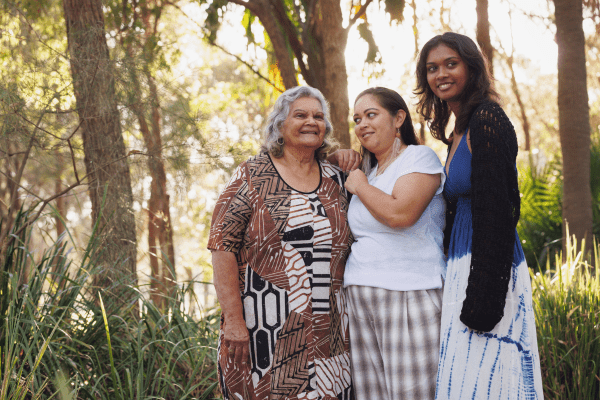
Australia’s aged care system is designed to support older people in maintaining their health, independence and quality of life. However, for Aboriginal and Torres Strait Islander peoples, receiving quality care involves much more than meeting physical or medical needs.
Culture, family, community, language and connection to Country all play an important role in wellbeing. These factors influence how care is experienced and why culturally safe aged care has become an increasingly important focus across Australia’s aged care sector.
Recognising these unique needs, the Australian Government continues to strengthen its commitment to improving aged care services for First Nations older Australians through ongoing reforms and closer partnerships with Aboriginal and Torres Strait Islander communities.
What Is Culturally Safe Aged Care?
Culturally safe aged care means providing services that recognise, respect and value an individual’s cultural identity, traditions, beliefs and life experiences.
For Aboriginal and Torres Strait Islander peoples, this may include:
- respecting cultural practices and traditions
- recognising the importance of family and community
- supporting connection to Country
- providing culturally appropriate communication
- involving Elders and family members in care decisions where appropriate
- creating environments where people feel respected and understood
Culturally safe care goes beyond simply being culturally aware. It aims to ensure older people feel valued, respected and able to participate in decisions about their own care.
Why First Nations Communities May Experience Different Aged Care Needs
Aboriginal and Torres Strait Islander peoples have unique histories and life experiences that can influence how they access healthcare and aged care services.
Some older people may have experienced discrimination or barriers to accessing services in the past, making trust and respectful relationships especially important.
Many First Nations older Australians also live in rural or remote communities where access to aged care services may be more limited.
These factors highlight the importance of flexible, community-based care that reflects local needs rather than applying the same approach to everyone.
The Australian Government’s Commitment to Reform
The Australian Government has responded to the Interim First Nations Aged Care Commissioner’s Report, reaffirming its commitment to improving aged care for Aboriginal and Torres Strait Islander peoples.
The response highlights several priorities, including:
- improving access to quality aged care
- supporting culturally safe services
- strengthening community-led approaches
- working in partnership with First Nations organisations
- ensuring future aged care reforms reflect the voices of Aboriginal and Torres Strait Islander communities
These initiatives recognise that better outcomes are achieved when First Nations communities are actively involved in shaping the services designed to support them.
Choosing an Aged Care Provider That Respects Culture
When comparing aged care providers, families may wish to look beyond the range of services offered.
Questions worth asking include:
- Does the provider have experience supporting Aboriginal and Torres Strait Islander clients?
- How does the provider promote culturally safe care?
- Are family members encouraged to be involved in care planning?
- Does the provider work with local Aboriginal organisations or community groups?
- How are cultural preferences recorded and respected?
Finding a provider that understands an individual’s cultural background can contribute to greater comfort, trust and overall wellbeing.
Looking Ahead
Australia’s aged care system continues to evolve to better meet the diverse needs of older Australians.
Improving culturally safe care for Aboriginal and Torres Strait Islander peoples is an important part of creating an aged care system that is inclusive, respectful and person-centred.
As reforms continue, stronger partnerships between governments, providers and First Nations communities will help ensure older Australians receive care that supports not only their health, but also their identity, culture and connection to community.
For more information about the Australian Government’s response to the Interim First Nations Aged Care Commissioner’s Report, visit:
Find the Right Home Care Provider with Confidence
Choosing the right Home Care provider is an important step in ensuring care meets an individual’s needs, preferences and circumstances.
Support Services Connect Australia (SSCA) offers a free Care Finding service to help older Australians and their families compare Home Care providers based on service flexibility, fees, location and individual requirements.
With more than 25 years of experience in the Australian aged care sector, SSCA provides independent, no-obligation guidance to help families make informed decisions and find a provider that best suits their needs.