
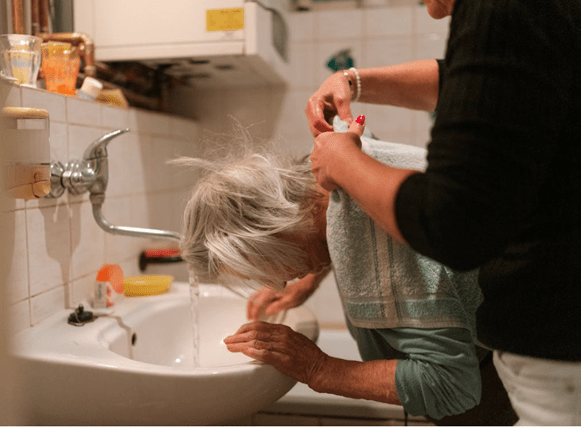
Australia’s aged care system is preparing for another significant reform that could improve the daily lives of many older Australians. From October 2026, essential supports such as showering, dressing, and continence assistance will officially be reclassified as clinical care rather than personal care.
The announcement was made by Sam Rae, Australia’s Minister for Aged Care and Seniors, following widespread criticism of earlier classifications that many believed failed to recognise the true health importance of these services.
The reform is expected to cost approximately $1 billion over four years and aims to ensure older Australians can access essential hygiene-related support without facing unnecessary barriers or reduced care options.
For many seniors, carers, healthcare workers, and aged care advocates, the change represents more than a policy adjustment. It reflects growing recognition that personal hygiene is deeply connected to health, dignity, wellbeing, and quality of life.
Why the Classification of Care Services Matters
Within Australia’s aged care system, the way services are classified can directly affect:
- Funding arrangements
- Care accessibility
- Service availability
- Provider responsibilities
- Consumer costs
- Clinical oversight
Under previous arrangements, services such as showering assistance, dressing support, and continence management were categorised under personal care. Critics argued this approach underestimated the medical and clinical significance of these supports, particularly for older people living with complex health conditions.
Many healthcare professionals and aged care organisations warned that the classification created confusion and could potentially limit access to essential hygiene support for vulnerable seniors.
By reclassifying these services as clinical care, the government is acknowledging that these tasks are not simply routine daily activities. For many older Australians, they are essential healthcare supports linked directly to physical health and safety.
Why Hygiene Support Is Critical for Older Australians
Personal hygiene is closely connected to overall health outcomes, especially among older people living with frailty, disability, chronic illness, or reduced mobility.
Difficulties with showering, dressing, and continence care can lead to serious health complications including:
- Skin infections
- Pressure injuries
- Urinary tract infections
- Falls
- Reduced mobility
- Emotional distress
- Social withdrawal
- Loss of dignity and confidence
For seniors who require assistance, proper hygiene support may also help prevent hospitalisations and improve quality of life.
Older Australians living with conditions such as dementia, Parkinson’s disease, arthritis, stroke-related disabilities, or mobility limitations may depend heavily on carers for these daily activities.
Without adequate support, even simple tasks can become physically painful, emotionally distressing, or unsafe.
The Importance of Continence Support
Continence care is one of the most sensitive and important areas of aged care.
Many older Australians experience bladder or bowel issues due to:
- Age-related muscle changes
- Neurological conditions
- Chronic illness
- Medication side effects
- Mobility limitations
- Cognitive decline
Despite how common these challenges are, continence issues can still carry feelings of embarrassment, shame, or isolation.
Access to proper continence support is essential for maintaining:
- Physical comfort
- Skin health
- Infection prevention
- Emotional wellbeing
- Independence
- Social participation
Reclassifying continence assistance as clinical care may help improve recognition of the medical complexity involved in managing these conditions.
Listening to Older Australians
According to Minister Sam Rae, the reform was influenced by feedback from older Australians themselves.
Many seniors expressed concerns that hygiene-related services were being treated as lower-priority supports rather than essential healthcare needs.
The government stated that listening to older people’s lived experiences played a major role in the decision-making process.
This reflects a broader shift occurring within Australia’s aged care reforms, where policymakers are increasingly focusing on:
- Person-centred care
- Consumer dignity
- Rights-based approaches
- Improved transparency
- Better quality standards
- Respect for individual preferences
Older Australians are becoming more involved in conversations about how aged care services should be delivered and funded.
Why Ageing Australia Welcomed the Reform
The decision has been welcomed by Ageing Australia, one of the country’s major aged care sector organisations.
Its CEO, Tom Symondson, highlighted the harmful impact previous policies had on some older people’s ability to access hygiene support services.
He emphasised that showering is not merely a lifestyle preference but an essential part of healthcare and human dignity.
This statement reflects growing awareness across the aged care sector that maintaining hygiene is closely connected to both physical and emotional wellbeing.
For many seniors, losing the ability to independently manage personal hygiene can affect self-esteem, confidence, and mental health.
Human Dignity in Aged Care
The reform also raises important conversations about dignity in ageing.
Older Australians deserve to receive care that supports not only medical needs but also comfort, respect, privacy, and emotional wellbeing.
Daily activities such as showering and dressing may appear simple to healthy individuals, but for seniors requiring assistance, these tasks can become deeply personal experiences involving vulnerability and trust.
Providing proper support in these moments can have a major impact on a person’s:
- Sense of independence
- Emotional comfort
- Mental wellbeing
- Social confidence
- Overall quality of life
The aged care sector has increasingly recognised that dignity should remain central to all care delivery decisions.
The Growing Demand for Complex Care in Australia
Australia’s ageing population is creating increasing demand for more specialised and clinically-informed care services.
Many older Australians are now living longer with:
- Multiple chronic conditions
- Cognitive impairment
- Mobility limitations
- Complex medication needs
- Higher frailty levels
As care needs become more complex, the distinction between “personal care” and “clinical care” has become less clear.
Tasks such as hygiene assistance may involve infection prevention, wound care monitoring, falls prevention, skin integrity assessments, and management of chronic conditions.
This is one reason many healthcare professionals argued that showering and continence support should be recognised as clinical care services.
How the Reform May Affect Home Care and Residential Aged Care
The reclassification is expected to influence both home care services and residential aged care operations.
Potential impacts may include:
- Changes to funding models
- Adjustments to care planning
- Greater clinical oversight
- Different workforce requirements
- Improved service accessibility
- Reduced barriers to hygiene support
Older Australians receiving care at home may benefit from clearer recognition of their healthcare needs, while aged care providers may receive more structured guidance around hygiene-related support services.
However, many details regarding implementation are still expected to develop closer to the October 2026 commencement date.
Challenges Facing the Aged Care Workforce
While the reform has been broadly welcomed, workforce pressures remain a major issue across the aged care sector.
Australia continues to face shortages of:
- Nurses
- Personal care workers
- Allied health professionals
- Support staff
As care needs become more clinically complex, providers may require additional workforce training and support to deliver higher levels of care safely and effectively.
Ensuring sufficient staffing levels will remain essential for maintaining quality care standards.
The Shift Toward Rights-Based Aged Care
The reform reflects Australia’s broader transition toward a rights-based aged care system.
In recent years, aged care reforms have increasingly focused on:
- Respecting consumer rights
- Supporting individual choice
- Improving quality and safety
- Enhancing accountability
- Delivering person-centred care
The recognition of hygiene support as clinical care aligns with the idea that older Australians deserve access to services that protect both health and dignity.
For many families, this reform may provide reassurance that essential daily care needs are being taken more seriously within the healthcare system.
Why Families Should Stay Informed
Aged care reforms can sometimes feel confusing, especially as funding models and service rules continue to evolve.
Families supporting older loved ones may wish to stay informed about changes that could affect:
- Home care services
- Care funding
- Service availability
- Care plans
- Clinical support eligibility
Understanding how reforms impact care delivery can help families make more informed decisions and better advocate for their loved ones.
The Future of Aged Care in Australia
Australia’s aged care system continues to undergo significant transformation following years of public scrutiny and reform discussions.
The decision to reclassify hygiene support as clinical care suggests a growing recognition that quality aged care involves much more than basic assistance.
It involves protecting health, preserving dignity, supporting independence, and ensuring older Australians receive the respect and care they deserve.
As reforms continue, healthcare providers, families, and policymakers will likely place even greater focus on ensuring aged care services remain compassionate, accessible, and responsive to the needs of older Australians.
Reference
How SSCA Can Help
Understanding aged care reforms, funding changes, and service classifications can sometimes feel overwhelming for older Australians and their families. Support Services Connect Australia (SSCA) provides a free care finding service to help individuals compare and connect with suitable aged care and home care providers based on their needs, preferences, and location.
With more than 25 years of experience in Australia’s aged care sector, SSCA helps families better understand the system, provider fees, service options, and available support pathways. SSCA aims to make the aged care journey easier to understand, less stressful, and more informed for older Australians and their loved ones.