
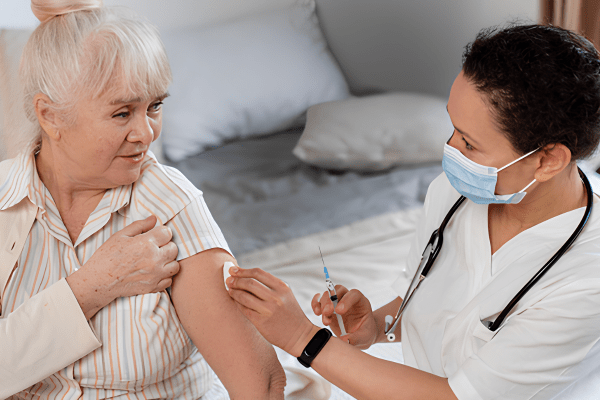
Australia is taking another major step toward protecting older Australians with the introduction of a free Respiratory Syncytial Virus (RSV) vaccination program for seniors and vulnerable communities. Backed by a $445.3 million investment from the Albanese Government, the initiative is expected to significantly improve health protection for older people who are at higher risk of severe respiratory illness.
From May 15, eligible Australians aged 75 years and over, along with Aboriginal and Torres Strait Islander people aged 60 years and over, will be able to access the RSV vaccine free of charge through approved healthcare services. The vaccine normally costs around $300, making the government-funded rollout an important measure for improving healthcare accessibility and reducing financial barriers for vulnerable populations.
The decision has been welcomed by healthcare professionals and aged care advocates across the country, particularly as respiratory illnesses continue to place pressure on hospitals, aged care facilities, and older Australians themselves.
What Is RSV?
Respiratory Syncytial Virus, commonly known as RSV, is a highly contagious virus that affects the respiratory system. While RSV is often associated with infants and young children, it can also cause serious illness in older adults.
For many healthy people, RSV symptoms may resemble a common cold. However, in older Australians, especially those living with chronic illnesses or weakened immune systems, RSV can lead to severe complications including:
- Pneumonia
- Bronchitis
- Worsening of chronic obstructive pulmonary disease (COPD)
- Breathing difficulties
- Hospitalisation
- Increased frailty and health decline
Residents living in aged care homes are particularly vulnerable due to close living environments, existing medical conditions, and age-related immune decline.
Respiratory viruses can spread rapidly in residential care settings, which is why prevention strategies such as vaccination are becoming increasingly important.
Why Older Australians Face Higher Risks
As people age, the immune system naturally becomes less effective at fighting infections. Older adults are also more likely to live with chronic conditions such as:
- Heart disease
- Diabetes
- Lung disease
- Kidney disease
- Reduced mobility
- Frailty
These conditions can increase the severity of respiratory infections and make recovery more difficult.
For seniors, illnesses like RSV can lead to serious complications that may affect independence, mobility, and overall quality of life. Even after recovering from the infection itself, some older people may experience ongoing weakness or reduced physical function.
Preventing respiratory illness is therefore an important part of supporting healthy ageing and reducing avoidable hospital admissions.
The Government’s RSV Vaccine Investment
The Australian Government’s $445.3 million investment reflects growing recognition of the impact respiratory diseases have on older Australians.
The new program aims to:
- Protect vulnerable seniors
- Reduce severe illness
- Prevent avoidable hospitalisations
- Reduce pressure on emergency departments
- Improve health outcomes in aged care settings
- Increase healthcare equity for First Nations communities
Health Minister Mark Butler highlighted the importance of protecting high-risk populations, especially aged care residents and older Aboriginal and Torres Strait Islander people.
The vaccine rollout also supports Australia’s broader public health strategy focused on preventive healthcare and ageing well.
Who Will Be Eligible for the Free RSV Vaccine?
Under the new initiative, free RSV vaccination will be available to:
- Australians aged 75 years and older
- Aboriginal and Torres Strait Islander people aged 60 years and older
The vaccine will be delivered through participating healthcare services, helping improve access for vulnerable groups who may otherwise struggle with vaccine affordability.
The inclusion of older First Nations Australians is particularly important, as Indigenous communities often experience higher rates of chronic illness and healthcare inequality.
Improving vaccine accessibility can help address long-standing gaps in health outcomes.
Why Vaccination Matters in Aged Care
Respiratory illnesses remain a major concern across Australia’s aged care sector.
Older people living in residential aged care facilities are often more susceptible to infectious outbreaks because of:
- Shared living environments
- Frequent close contact with carers and residents
- Multiple chronic health conditions
- Increased frailty
- Reduced immune response
Vaccination programs play an important role in reducing outbreak severity and protecting both residents and healthcare workers.
The RSV vaccine complements existing government-supported vaccination programs for:
- Influenza
- Covid-19
- Pneumococcal disease
Together, these vaccines form part of a broader strategy to reduce preventable illness among seniors.
Reducing Pressure on Hospitals and Emergency Departments
One of the major goals of the RSV vaccine rollout is to reduce avoidable hospital admissions.
During respiratory illness seasons, hospitals across Australia often experience increased demand, particularly among older patients requiring emergency treatment.
Preventing severe RSV infections may help:
- Reduce ambulance demand
- Lower emergency department presentations
- Decrease hospital admissions
- Improve hospital capacity
- Support faster healthcare delivery
This is especially important as Australia’s healthcare system continues to face workforce shortages and increasing demand from an ageing population.
Keeping older Australians healthier in the community can benefit both individuals and the broader healthcare system.
The Financial Impact of Free Vaccination
Without government funding, RSV vaccines can cost around $300, placing them out of reach for some seniors.
By providing the vaccine free of charge to eligible groups, the government is helping reduce financial barriers to preventive healthcare.
For many retirees and older Australians on fixed incomes, healthcare costs can create difficult choices between essential services, medications, and preventive treatments.
Free vaccination programs improve access while also supporting fairness within the healthcare system.
The Royal Australian College of General Practitioners has supported the decision, highlighting its importance for improving public health and healthcare equity.
The Importance of Preventive Healthcare for Seniors
Preventive healthcare is becoming increasingly important as Australia’s population ages.
Rather than focusing only on treating illness after it occurs, healthcare systems are investing more in strategies that help prevent disease and maintain wellbeing.
Preventive healthcare for older Australians may include:
- Vaccinations
- Regular health checks
- Chronic disease management
- Falls prevention
- Nutrition support
- Exercise and mobility programs
- Social connection initiatives
Early intervention and prevention can help seniors maintain independence and quality of life for longer.
What Families and Carers Should Know
Families caring for older loved ones may wish to discuss RSV vaccination with healthcare professionals, particularly if the person:
- Lives in residential aged care
- Receives home care services
- Has chronic medical conditions
- Has reduced immunity
- Experiences breathing difficulties
- Has previously been hospitalised due to respiratory illness
Understanding eligibility and available vaccination services can help families make informed healthcare decisions before winter illness seasons arrive.
The Future of Senior Healthcare in Australia
The introduction of free RSV vaccination reflects a growing focus on protecting older Australians through proactive healthcare policies.
As Australia’s population continues to age, governments and healthcare providers are increasingly recognising the importance of:
- Accessible healthcare
- Preventive medicine
- Community-based care
- Early intervention
- Reducing avoidable hospitalisations
Programs like this may help older Australians remain healthier, safer, and more independent for longer.
They also highlight the importance of ensuring healthcare services remain affordable and accessible to vulnerable populations across the country.
Reference
- Australian Government Department of Health, Disability and Ageing
- Royal Australian College of General Practitioners (RACGP)
How SSCA Can Help
Understanding new healthcare initiatives, vaccine eligibility, and aged care support services can sometimes be confusing for older Australians and their families. Support Services Connect Australia (SSCA) provides a free care finding service to help individuals compare and connect with suitable aged care and home care providers based on their needs, preferences, and location.
With more than 25 years of experience in Australia’s aged care sector, SSCA helps families better understand the system, provider fees, service options, and available support pathways. SSCA aims to make the aged care journey easier to understand, less stressful, and more informed for older Australians and their loved ones.