
Introduction: A Shift in How Australians Access Care
For many Australians, accessing timely healthcare has long been a challenge—particularly when urgent but non-life-threatening conditions arise. Emergency departments are often overcrowded, and waiting hours for treatment has become a common experience.
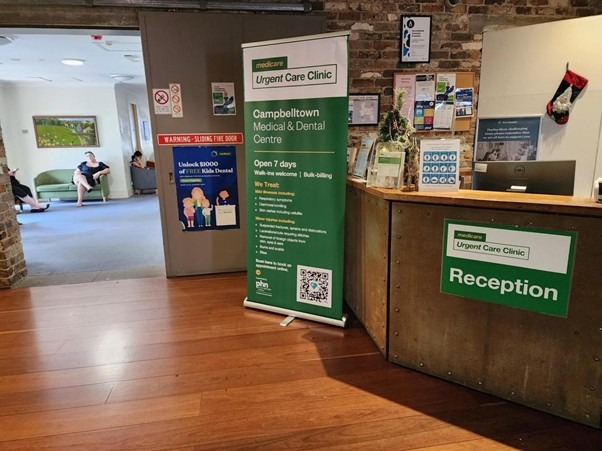
To address this growing issue, the Australian Government has introduced a nationwide network of Medicare Urgent Care Clinics (UCCs). These clinics are designed to provide immediate, accessible medical care without the need for appointments, offering a practical alternative to hospital emergency departments.
Since their introduction, these clinics have rapidly become an important part of Australia’s healthcare landscape—especially for older Australians who require timely but non-emergency care.
What Are Medicare Urgent Care Clinics?
Medicare Urgent Care Clinics are walk-in medical centres designed to treat urgent but not life-threatening conditions.
Key Features
- No appointment required – patients can walk in anytime
- Open seven days a week
- Bulk billed services – no out-of-pocket cost for Medicare card holders
- Extended hours, including evenings and weekends
- Staffed by experienced doctors and nurses
These clinics aim to bridge the gap between general practice and emergency departments.
Why These Clinics Were Introduced
Australia’s healthcare system has been under increasing pressure, particularly in hospital emergency departments.
The Problem
Emergency departments often treat:
- Minor injuries
- Common infections
- Non-critical conditions
This leads to:
- Long waiting times
- Overburdened hospital staff
- Reduced efficiency for critical cases
The Solution
Urgent Care Clinics were introduced to:
- Divert non-emergency cases away from hospitals
- Provide faster treatment for patients
- Improve overall system efficiency
By offering an accessible alternative, UCCs help ensure that emergency departments can focus on life-threatening conditions.
Rapid Expansion Across Australia
The rollout of Urgent Care Clinics has been swift and extensive.
Key Milestones
- Over 134 clinics opened nationwide since 2023
- More than 2.7 million patient visits recorded
- Target: 80% of Australians within a 20-minute drive of a clinic
- Planned expansion: 50 additional clinics by 2025–26
This expansion reflects strong demand and growing reliance on these services.
What Conditions Can Be Treated?
Urgent Care Clinics are equipped to handle a wide range of medical issues.
Common Conditions Include:
- Minor fractures and sprains
- Cuts and wounds requiring stitches
- Respiratory infections (e.g. flu, COVID-19 symptoms)
- Ear, nose, and throat infections
- Skin conditions and rashes
- Urinary tract infections
- Mild dehydration or fever
What They Don’t Replace
These clinics are not designed for emergencies such as:
- Chest pain
- Severe bleeding
- Stroke symptoms
- Major trauma
In such cases, calling emergency services or visiting a hospital remains essential.
Benefits for Older Australians
For older individuals, accessing quick medical attention can significantly impact health outcomes.
Reduced Waiting Times
Instead of waiting hours in emergency departments, older Australians can:
- Receive faster assessment
- Begin treatment sooner
- Avoid unnecessary stress
Lower Risk of Complications
Prompt care can prevent:
- Minor issues from becoming serious
- Hospital admissions
- Long recovery periods
Convenient and Accessible
With clinics located closer to communities and open extended hours, they provide:
- Greater flexibility
- Easier access for families and carers
- Support for those with mobility challenges
Bulk Billing: A Key Advantage
One of the most significant features of Urgent Care Clinics is bulk billing.
What This Means
Patients with a Medicare card:
- Pay no out-of-pocket costs
- Receive treatment fully covered by Medicare
Why It Matters
Healthcare costs can be a major concern, particularly for retirees and those on fixed incomes.
Bulk billing ensures that:
- Financial barriers are reduced
- People seek care earlier
- Health issues are addressed before worsening
Improving Access for Diverse Communities
The government has also focused on ensuring these clinics are accessible to all Australians.
Outreach Efforts
Public awareness campaigns are being delivered through:
- Television and radio
- Online platforms
- Community networks
Focus on Inclusion
Special efforts are made to reach:
- First Nations communities
- Multicultural populations
- Non-English-speaking groups
This ensures that information about available services reaches those who may need it most.
Walk-In Convenience: A Major Shift in Healthcare Behaviour
One of the most transformative aspects of Urgent Care Clinics is their walk-in model.
Traditional Barriers
Previously, patients often faced:
- Long waits for GP appointments
- Limited after-hours care
- Confusion about where to go
The New Approach
With walk-in clinics:
- No booking is required
- Care is available when needed
- Patients can make decisions quickly
This convenience encourages people to seek help earlier rather than delaying care.
Challenges and Considerations
While Urgent Care Clinics provide many benefits, there are still important considerations.
Awareness
Not all Australians are aware:
- Where clinics are located
- What services they provide
- When to use them
System Navigation
Patients must still decide:
- Whether to visit a GP, UCC, or emergency department
- Which option best suits their condition
Continuity of Care
Since UCCs are designed for urgent care:
- Follow-up care may still be required through a regular GP
- Medical history continuity can vary
How to Find Your Nearest Clinic
To locate a nearby clinic, you can use the official government tool:
👉 Medicare Urgent Care Clinics locator
This tool allows you to:
- Search by location
- View clinic hours
- Confirm available services
The Bigger Picture: A Changing Healthcare System
The introduction of Urgent Care Clinics reflects a broader shift in Australia’s healthcare system.
Moving Towards Accessibility
The focus is increasingly on:
- Faster access
- Community-based care
- Preventing hospital overload
Supporting Ageing Populations
As Australia’s population ages, demand for:
- Timely care
- Flexible services
- Cost-effective solutions
will continue to grow.
Urgent Care Clinics are one part of a larger strategy to meet these needs.
Conclusion: A Valuable Option for Timely Care
Medicare Urgent Care Clinics are rapidly becoming a key component of Australia’s healthcare system. By providing accessible, bulk-billed, walk-in services, they offer a practical solution for managing urgent health issues without overwhelming hospitals.
For older Australians and their families, understanding how and when to use these clinics can make a meaningful difference in maintaining health and avoiding unnecessary stress.
As the network continues to expand, these clinics are set to play an even greater role in delivering timely, community-based care across the country.
About Support Services Connect Australia (SSCA)
Navigating healthcare and aged care services can become increasingly complex—especially as new programs and options continue to evolve.
Support Services Connect Australia (SSCA) provides a free care finding service to help older Australians and their families identify suitable aged care providers based on their individual needs, preferences, and location.
With over 25 years of experience in the Australian aged care sector, SSCA helps simplify decision-making by guiding you through available options and connecting you with providers that best match your situation—at no cost and with no obligation.