
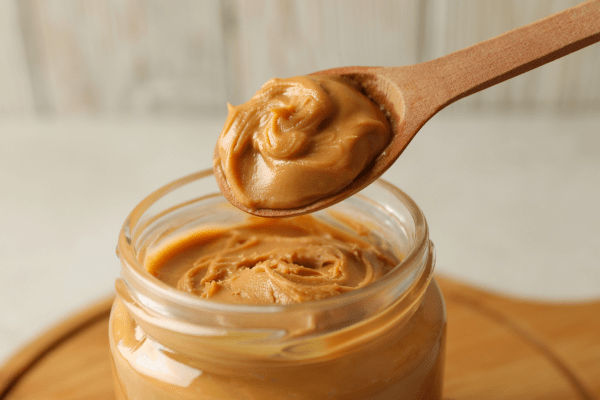
New findings from Deakin University indicate that a heaped tablespoon of natural peanut butter consumed daily can assist older adults in improving muscle power without increasing weight.
Research from Deakin University’s Institute for Physical Activity and Nutrition has shown that a daily heaped tablespoon of natural peanut butter over a six-month timeframe helped participants enhance muscle power and muscle protein.
Notably, this increased consumption of protein and unsaturated fat did not lead to weight gain.
Led by Associate Professor Sze-Yen Tan, the study found that peanut butter is a convenient and economical way to boost nutrition and muscle health in older adults who are at risk of falls due to muscle weakness.
The Older Individuals after Nut Supplementation study involved 120 adults aged 66 to 89 years, with 108 participants completing the study. All participants were living independently in the community but were at risk of falls.
Half of the participants were randomly assigned to the intervention group, where they consumed 43 grams of natural peanut butter daily. The remaining participants were asked to maintain their usual lifestyles.
At the end of the study, those who consumed the required amount of peanut butter were able to complete a five-time sit-to-stand test more quickly than the group that did not consume peanut butter, stated Associate Professor Tan.
“Completing the test more quickly signifies greater muscle power. Muscle power allows older individuals to perform daily tasks such as climbing stairs and standing up from a chair. It also decreases the risk of falls, which is a common cause of loss of independence, reduced quality of life, and even premature death,” he remarked.
While exercise and resistance training are commonly utilized to aid older individuals in maintaining muscle strength, Associate Professor Tan stated that the IPAN study reveals that incorporating commercially available natural peanut butter as a snack or as part of a meal can be used in conjunction with such training to further enhance nutrition and muscle strength.
The findings from the six-month study have been published in the Journal of Cachexia, Sarcopenia and Muscle.
The study found no notable treatment effects on the primary outcome of gait speed or other physical function measures, aside from the sit-to-stand test and improvements in muscle strength.
Nonetheless, it indicates that peanut butter is an accessible, affordable, and tasty alternative to commercial oral nutrition supplements, according to Associate Professor Tan.
“We often think of nutritional supplements when we seek to improve dietary intake, but these can be pricey, and their flavors may be unfamiliar and unappealing to older adults,” he stated.
“Peanut butter is a naturally rich source of nutrients such as protein, healthy fats, and antioxidants that help mitigate inflammation and muscle breakdown. It is also a familiar food, with the butter form being more suitable for those with dental issues who may have difficulty consuming whole nuts,” Associate Professor Tan added.
Associate Professor Tan mentioned that further research aims to explore whether the consumption of nuts alongside resistance training could enhance overall physical function.
To read this study – Peanut butter helps build muscle power in older adults, study shows