
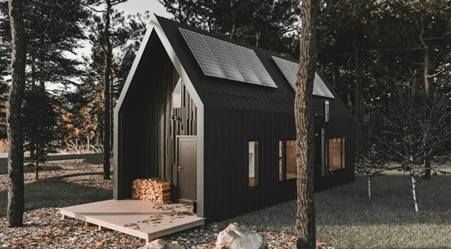
As we advance into 2026, the Australian housing sector continues to change. One of the most significant developments in recent years has been the rethinking of the ‘granny flat.’
Previously seen as a basic, movable bungalow in the backyard, the modern granny flat, or Small second homes (SSD), has transformed into a sophisticated, self-contained architectural solution for seniors aiming to downsize without departing from the family property.
Whether the intention is to be closer to grandchildren, to create a dedicated space for a carer, or to release equity from a family home, building a granny flat is a strategic lifestyle choice. This article presents a detailed overview of the benefits, legal aspects, costs, and essential contacts for those considering this route in 2026.
The regulations for constructing granny flats have been notably relaxed in many areas of Australia to help alleviate the housing crisis. However, the legalities still vary by state and council.
THE “NO SUBDIVISION” RULE
It is important to note that a granny flat is linked to the same title as the main house. As of 2026, it is still generally prohibited to “subdivide” and sell the granny flat separately. If the property is sold, both homes are sold as units.
In Victoria, as of December 2023, a planning permit is usually not required to construct a small second home (granny flat) up to 60m² on a lot of 300m² or larger, provided there are no specific flooding, environmental, or special planning issues. However, a building permit is always required, and the granny flat cannot be sold independently of the main house.
Key Victorian Regulations & Requirements (Small Second Homes):
- Size: Maximum 60m² gross floor area
- Location: Same lot as an existing house.
- Quantity: Only one small second home per lot.
- Utilities: Must include a kitchen, bathroom, and toilet.
- Subdivision: Cannot be subdivided or separated from the main house (no separate title).
- Gas: Cannot be connected to reticulated natural gas.
- Parking: No additional car parking spaces are required.
- Access: Must provide a direct pedestrian access path from the front street.
- Exceptions: A planning permit is required if the property has a Special Building Overlay, Bushfire Management Overlay, or other environmental/safety constraints.
THE “GRANNY FLAT INTEREST” AND CENTRELINK
For those who are beneficiaries of the Age Pension, the approach to financing the construction is vital. Centrelink has particular guidelines regarding the Granny Flat Interest (GFI).
A GFI is established when you “exchange” assets (like the proceeds from selling your home) for a lifetime right to inhabit a secondary dwelling on another individual’s property.
- The Gifting Rule: Typically, if you give away more than $10,000 in a year, it influences your pension. However, if you fund the construction of a granny flat on your child’s land, Centrelink often does not regard this as a “gift” because you are receiving a “life interest” in exchange.
- The Reasonableness Test: If you pay significantly above the actual cost of the construction, Centrelink may conduct a “reasonableness test” to ensure you are not merely attempting to obscure assets.
- Formal Agreements: It will be required in 2026 that these arrangements be documented in writing to protect both the senior resident and the homeowner.
COSTS AND BUDGETING FOR 2026
Construction costs have stabilized since the erratic trends of the early 2020s, but constructing a high-quality home in the backyard remains a substantial investment.
HIDDEN COSTS TO CONSIDER
- Site Preparation: Leveling a sloped block or removing trees can add between $10,000 and $20,000.
- Service Connections: Installing separate electricity, water, and sewerage lines from the street or the main house.
- Council Contributions: Some councils impose “infrastructure levies” even for small dwellings.
- Land Tax: In certain states, if the granny flat is utilized by a non-family member, you may lose part of your Principal Place of Residence (PPR) land tax exemption.
CAPITAL GAINS TAX (CGT) EXEMPTION
One of the most positive updates for families in 2026 is the continuation of the CGT exemption for granny flat arrangements.
Historically, if a child permitted a parent to live in a granny flat in exchange for a financial contribution, it could result in a “taxable event.” Since 2021, the ATO has exempted these arrangements from CGT, provided they satisfy the following criteria:
- In writing.
- For an individual of pension age or with a disability.
- Not commercial in nature (i.e., not a standard market-rate rental agreement).
This allows families to formalize their caregiving arrangements without the worry of incurring a large tax bill when the property is eventually sold.
Who to Contact to Get Started
Building a granny flat is a complex process that necessitates planning, legal, and financial expertise.
- A Specialist Granny Flat Builder: It is important not to hire a general renovator. Specialist builders are well-versed in the specific “Small Second Dwelling” codes and often have pre-approved designs that streamline the permit process.
- An Elder Law Solicitor: To draft the “Granny Flat Interest” agreement. This ensures your right
- to reside there even if your children decide to sell the house or go through a divorce.
- Financial Information Service (FIS) Officer: Reach out to Services Australia (Centrelink) and ask to speak with an FIS officer. They can clarify how your expenditures will affect your Age Pension.
- Local Council Planning Department: Most councils have a duty planner who can inform you over the phone if your property is eligible for a secondary dwelling.
The granny flat of 2026 is a significant advancement from the cramped “sheds” of previous generations. They are now modern, accessible, and stylish homes that provide a dignified way to age in place while staying connected to family. By understanding the legal requirements and establishing a formal agreement, you can ensure that this transition offers both the senior resident and their family peace of mind and financial security for years to come.For more information – Small second homes | Victorian Building Authority